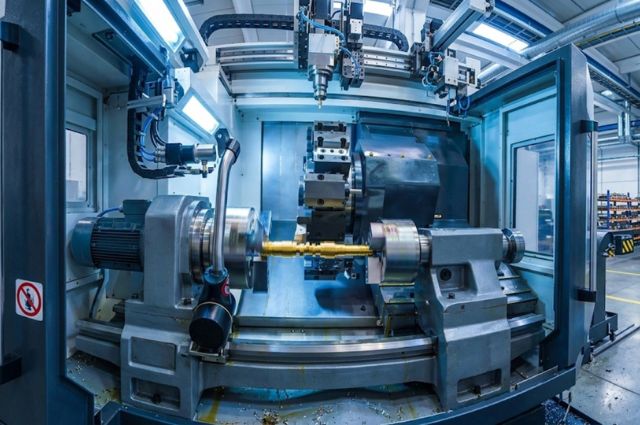
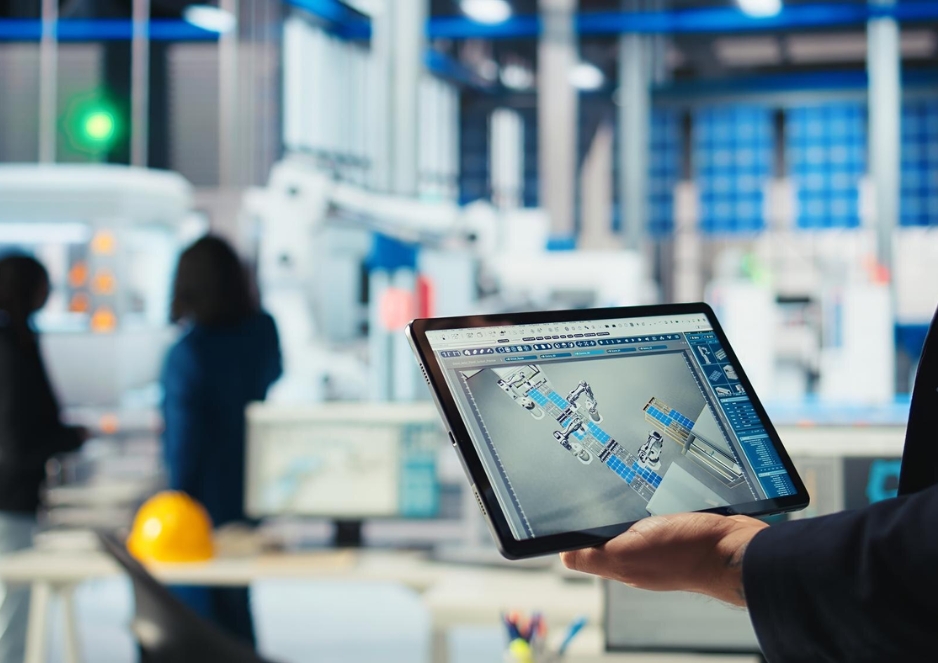
At Dynamic Balancing Technologies, we see firsthand how Detroit manufacturers are evolving rapidly to stay competitive in a demanding industrial climate. The automotive capital of the country has shifted toward advanced automation, high-speed machining, robotics, and continuous production systems, all of which place significant strain on rotating equipment and industrial machinery. Since every minute of machine downtime translates into substantial financial losses, manufacturers throughout Detroit are adopting Predictive Maintenance Service in Detroit, MI as a central strategy to keep equipment healthy while simultaneously lowering long-term operating costs. This shift is driven by the recognition that condition-based monitoring, vibration analysis, dynamic balancing, and data-driven maintenance techniques offer far greater control over equipment longevity than traditional time-based service schedules. We use the most advanced diagnostic tools available to help Detroit facilities minimize failure risk, reduce repair costs, and achieve stability across all production stages. Predictive maintenance is no longer a luxury for major manufacturers—it’s becoming an essential method for protecting assets, improving efficiency, and generating cost-effective industrial performance in a highly competitive region.
Understanding the Rise of Predictive Maintenance Among Detroit Manufacturers
The manufacturing environment in Detroit has changed dramatically over the past decade. Production lines rely on precision machinery that operates continuously at fast cycle rates, making downtime more disruptive than ever. With energy prices rising and supply chains becoming more pressure-sensitive, Detroit companies are seeking maintenance strategies that prevent breakdowns rather than react to them. Predictive maintenance supports this shift by analyzing real-time machine behavior through vibration signatures, thermal readings, motor load data, and torque measurements. These signals reveal hidden stress long before mechanical components fail. Manufacturers in Detroit have discovered that their equipment’s lifespan increases significantly when maintenance decisions are based on measurable machine health rather than a calendar schedule. The transition is also driven by the need for consistency across automotive assembly lines, aerospace machining operations, steel processing environments, and high-speed material-handling facilities. Predictive maintenance equips organizations with a reliable, cost-effective path to balancing production demands with long-term asset protection.

How Predictive Maintenance Reduces Operating Costs for Detroit Facilities
One of the primary reasons Detroit manufacturers turn toward predictive maintenance is its ability to reduce operating expenses in ways traditional maintenance cannot. When machinery is monitored continuously, early detection eliminates catastrophic failures that often require expensive parts, emergency labor, and complete production stoppages. Detroit facilities save substantial costs by addressing issues like imbalance, misalignment, bearing fatigue, and shaft deformation long before the equipment becomes compromised. Predictive maintenance also ensures equipment operates within ideal conditions, which decreases energy consumption across motors, fans, blowers, and industrial ventilation systems. With Detroit’s advanced manufacturing operations relying on heavy-duty rotating equipment, even minor performance improvements can translate into significant financial savings. Predictive techniques help avoid premature part replacements and extend the useful life of components that typically fail during high load periods. These cost reductions allow Detroit businesses to allocate resources more efficiently and maintain stronger financial stability across their operations.
The Role of Predictive Maintenance in Extending Equipment Lifespan
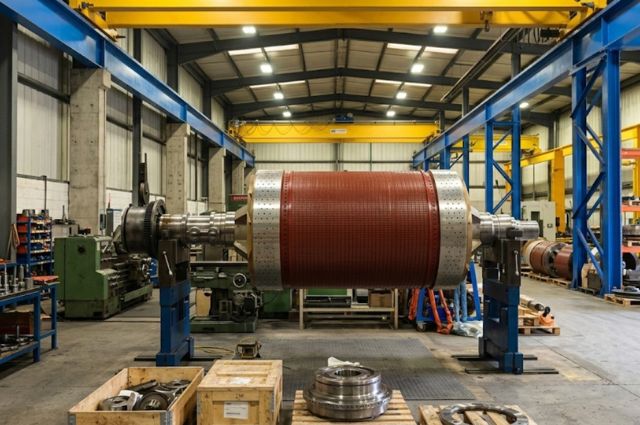
Predictive maintenance supports Detroit manufacturers by extending the operational life of machinery that would otherwise wear out prematurely from continuous use. Rotating equipment such as pumps, compressors, electric motors, spindles, fans, and blowers experience mechanical stress over time, especially under intense production demands. Predictive maintenance identifies the earliest signs of vibration, heat buildup, friction, and structural imbalance, enabling teams to intervene before damage spreads. When we apply dynamic balancing to correct rotor instability or perform precision laser shaft alignment to eliminate misalignment, we significantly reduce internal wear on machinery. Many Detroit manufacturers run equipment nonstop, so slowing the rate of mechanical degradation directly increases lifespan and provides long-term cost efficiency. Predictive maintenance is particularly beneficial for Detroit’s automotive and aerospace plants, where precision and reliability are non-negotiable. Through proper monitoring and timely corrections, equipment remains structurally sound and capable of performing at peak levels much longer.
Predictive Maintenance Services Offered by Dynamic Balancing Technologies
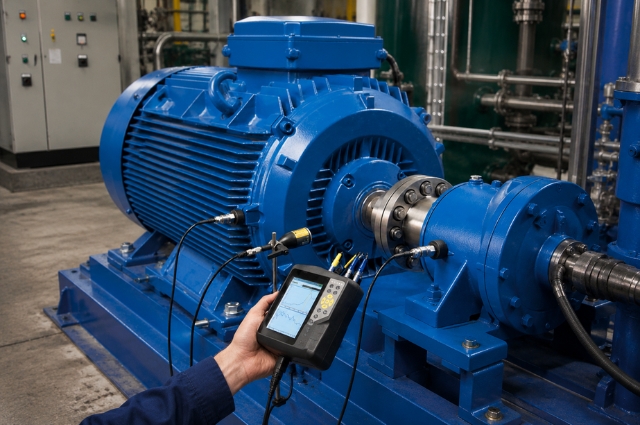
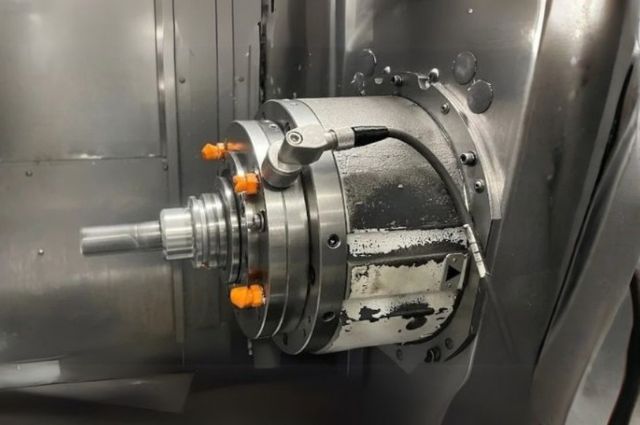
We provide a full suite of predictive maintenance solutions designed specifically for industrial environments in Detroit. Vibration analysis serves as the foundation of our predictive strategies because it reveals subtle anomalies in rotating equipment long before failure develops. Our advanced instruments capture vibration frequencies, amplitude shifts, and patterns that indicate imbalance, misalignment, looseness, or bearing deterioration. Dynamic balancing is another essential service that stabilizes motors, fans, blowers, and many other industrial components, reducing bearing stress and extending equipment longevity. Laser shaft alignment ensures machinery operates smoothly without unnecessary friction or misaligned power transmission. We also provide on-site condition monitoring for Detroit manufacturers needing real-time analysis without removing machinery from production lines. Troubleshooting support for high-speed spindles, electric motors, industrial pumps, and precision equipment helps our clients maintain optimal performance across all applications. Together, these predictive solutions create a powerful maintenance framework for long-term equipment protection.
Industries in Detroit Relying on Predictive Maintenance for Cost Savings
Detroit’s major industries depend on predictive maintenance because it aligns perfectly with the operational demands of large-scale production. Automotive manufacturers use predictive programs to maintain conveyors, robotic arms, CNC machines, and motors that operate continuously under load. Aerospace facilities depend on vibration analysis to protect highly sensitive spindles, machining centers, and precision tools. Steel processing plants require predictive maintenance to manage the heavy-duty cycling of blowers, cooling systems, and high-energy rotating machinery. Chemical plants rely on predictive strategies to prevent overheating, vibration-induced failure, and structural fatigue. Food processing operations use condition monitoring to maintain motors and ventilation equipment under harsh temperature and moisture conditions. Across all industries, predictive maintenance helps Detroit companies reduce labor waste, prevent equipment loss, and ensure uninterrupted production while controlling long-term financial risk.
Key Predictive Maintenance Technologies Improving Detroit’s Industrial Reliability
Modern predictive maintenance relies on advanced technology to provide accurate insights into machine performance. Real-time vibration monitoring allows us to record, compare, and interpret vibration signatures that signal developing mechanical problems. Motor condition tracking uses temperature changes, current draw, torque fluctuations, and load variations to determine whether components are operating outside their optimal range. Data-driven machine condition reporting consolidates this information into clear guidance that prevents unexpected breakdowns in Detroit’s high-demand manufacturing environment. Predictive alerts warn facility managers when specific thresholds are crossed, allowing maintenance teams to take corrective action before the equipment becomes unsafe or unstable. These predictive technologies are vital to maintaining machinery longevity and ensuring Detroit’s industrial operations remain competitive.
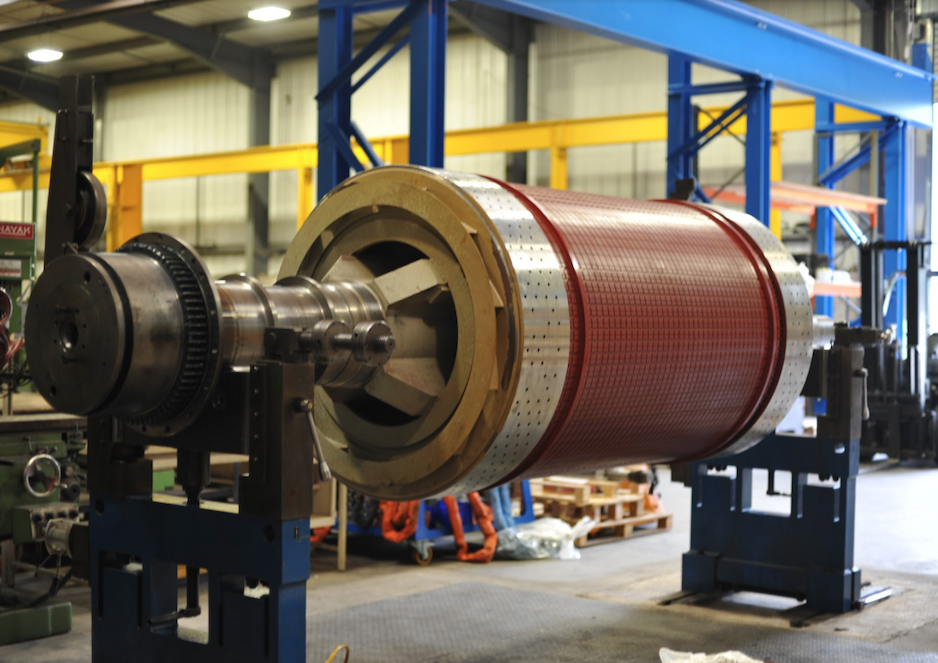
Why Detroit Companies Trust Dynamic Balancing Technologies for Predictive Maintenance
We have built a long-standing trust with Detroit manufacturers through our extensive experience, fast response times, and commitment to high-precision diagnostics. With over thirty-three years of combined expertise in machinery reliability and rotating equipment maintenance, our team understands the mechanical complexities that shape Detroit’s industrial landscape. We deliver ISO-standard dynamic balancing and alignment services, making us a preferred partner for facilities requiring accuracy, consistency, and safety. Our technicians use state-of-the-art instruments to deliver detailed insights that support predictive maintenance decisions. Each predictive maintenance plan we build is tailored to the facility’s equipment, load cycles, production goals, and risk factors. Detroit companies trust our team because we provide reliable support, quick turnaround times for assessments, and solutions that genuinely improve machine performance and reduce operational expenses.
Comparing Predictive Maintenance to Preventive and Reactive Approaches
Predictive maintenance offers benefits that preventive and reactive maintenance simply cannot match. Preventive maintenance relies on time intervals that often lead to unnecessary service or missed opportunities to catch hidden failures. Reactive maintenance waits until equipment breaks, leading to costly emergency repairs, damaged components, and sudden production stoppages. Predictive maintenance, however, analyzes real-time equipment health to perform maintenance exactly when it is most beneficial. Detroit manufacturers appreciate that predictive strategies minimize labor waste, reduce major repair events, and extend the operating life of critical machinery. Predictive maintenance aligns with Detroit’s focus on efficiency, cost control, and long-term equipment protection, making it the most financially advantageous strategy available today.
Additional Industrial Services Supporting Predictive Maintenance in Detroit
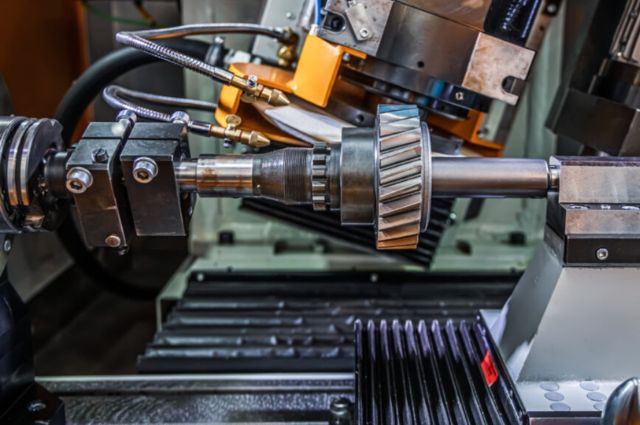
Several supporting services help strengthen the effectiveness of predictive maintenance programs. Motor testing evaluates the load, temperature, and electrical performance of industrial motors, ensuring they operate efficiently. Fans and blowers benefit from precision balancing to prevent vibration-related wear. High-speed spindle repair ensures machining operations maintain accuracy and surface finish standards. Preventive maintenance add-ons, when combined with predictive insights, provide comprehensive coverage that protects Detroit facilities from long-term equipment decline. These services enhance predictive programs by eliminating risks that data alone may not fully resolve.
The Financial and Operational Benefits of Predictive Maintenance Programs
Predictive maintenance delivers both financial and operational advantages to Detroit manufacturers. The financial benefits come from reducing repair expenses, avoiding production downtime, and extending the life of equipment that traditionally fails under high workloads. Operational benefits include consistent machine performance, reduced safety risks, stable production pacing, and lower energy costs. Predictive maintenance aligns maintenance schedules with actual equipment needs rather than assumptions, resulting in a stronger return on investment for Detroit companies. It helps facilities maintain capacity, meet deadlines, and support long-term operational planning without unexpected interruptions.
Service Areas for Predictive Maintenance in Detroit and Southeast Michigan
Dynamic Balancing Technologies proudly provides Predictive Maintenance Service in Detroit, MI and throughout Southeast Michigan, including Warren, Troy, Sterling Heights, Auburn Hills, Dearborn, Ann Arbor, and other major industrial hubs. Manufacturing facilities across this region benefit from our fast on-site response times, advanced diagnostics, and specialized maintenance solutions. We deliver predictive maintenance and condition monitoring directly to facilities, ensuring every Detroit-area company gains access to the support needed to maintain equipment health and achieve cost-effective operational performance.
How Detroit Manufacturers Can Get Started with Predictive Maintenance
Detroit manufacturers can begin improving equipment longevity by scheduling an initial predictive maintenance assessment. This evaluation provides baseline data on the condition of rotating equipment, thermal output, vibration signatures, and alignment accuracy. Once our team completes this analysis, we create a customized predictive maintenance plan that aligns with each facility’s production cycles and mechanical demands. The plan includes ongoing monitoring, scheduled evaluations, and continual reporting to ensure long-term equipment protection. Detroit companies gain a clear understanding of machine health, enabling more innovative budgeting, fewer surprises, and stronger operational stability.
Frequently Asked Questions About Predictive Maintenance in Detroit
How does predictive maintenance save money for Detroit manufacturers?
Predictive maintenance saves money by eliminating unexpected machine failures and reducing emergency repair costs. By monitoring real-time machine health, Detroit facilities can schedule service only when needed, avoid catastrophic breakdowns, and extend equipment lifespan, making it a cost-effective strategy for high-demand operations.
Which industries in Detroit benefit the most from predictive maintenance?
Automotive manufacturing, aerospace machining, steel processing, chemical facilities, food production, and power generation facilities benefit heavily from predictive maintenance. These industries rely on rotating machinery that must remain stable for long cycles, making predictive strategies ideal for preventing downtime.
How does vibration analysis contribute to predictive maintenance?
Vibration analysis detects imbalance, misalignment, looseness, and bearing wear before they develop into serious problems. By studying vibration frequencies, Detroit manufacturers can correct issues early, protect internal components, and extend the life of rotating equipment.
Is predictive maintenance suitable for older machinery?
Predictive maintenance is highly effective for older equipment because it identifies stress, wear, and performance changes that occur over time. Detroit facilities use predictive programs to keep legacy machinery running smoothly without unnecessary replacements.
How can a Detroit business begin implementing predictive maintenance?
Detroit companies can begin by scheduling a baseline vibration analysis, dynamic balancing inspection, or laser shaft alignment assessment. Once the initial data is collected, our team builds a predictive maintenance plan tailored to the facility’s equipment and production needs.
Advancing Detroit Equipment Reliability Through Predictive Strategies
Our predictive maintenance programs strengthen Detroit’s manufacturing industry by helping companies maintain safer, more efficient, and longer-lasting equipment. We encourage local facilities to reach out whenever they want to enhance performance, reduce maintenance costs, or ensure consistent equipment reliability. Our team remains committed to delivering high-quality diagnostics and long-term support that Detroit manufacturers can depend on.