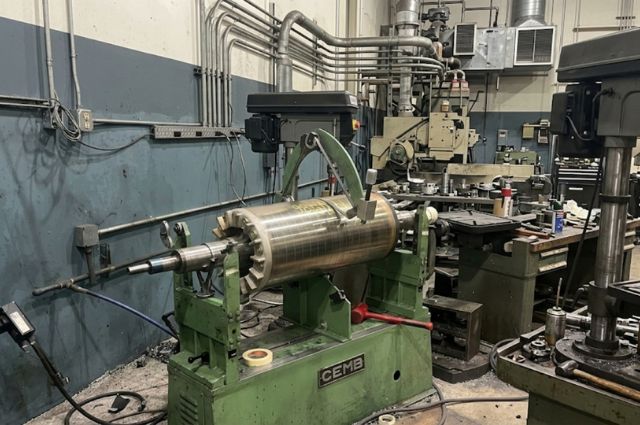
Equipment owners across Grand Rapids and Michigan often hear “balancing” used as one general term, when in reality static and dynamic balancing are two distinct disciplines with very different methods, applications, and outcomes. Choosing the wrong approach can leave residual vibration that destroys bearings, ruins tool life, and produces scrap parts. At Dynamic Balancing Technologies, we help manufacturers, machine shops, and industrial operators select and apply the right method for every component. With ISO-compliant balancing, NIST-traceable instrumentation, FFT vibration diagnostics, and 24-hour emergency onsite service, we deliver the precision results Grand Rapids equipment owners need.
Why Understanding the Difference Between Static and Dynamic Balancing Matters
The cost of choosing the wrong balancing method shows up quickly. Apply static balancing where dynamic balancing is required, and the residual imbalance left behind keeps damaging bearings, eating tool life, and producing scrap parts every shift. At Dynamic Balancing Technologies, we routinely meet Grand Rapids equipment owners who paid for balancing only to see vibration return weeks later — almost always because the wrong method was used for the application. Understanding the difference protects your investment and your production schedule.
Every equipment owner in Grand Rapids should understand both methods before approving maintenance work, signing a service order, or replacing a spindle that may not actually need replacement. Our team diagnoses each component individually and recommends the right approach rather than defaulting to one method for every job. The rest of this guide walks through definitions, processes, key differences, and the decision criteria Dynamic Balancing Technologies uses for static and dynamic balancing across multiple industries.
What Is Static Balancing? Definition, Process, and Common Applications
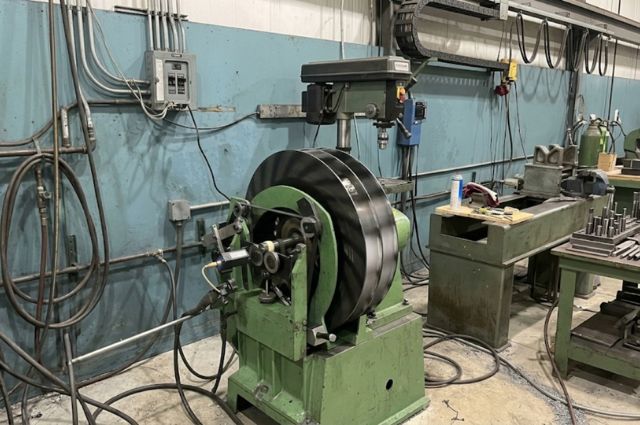
Static balancing is the process of correcting imbalance in stationary objects to ensure even mass distribution before the component is put into operation. The component is held without rotation, and weight is added or removed until the heavy spot no longer pulls the rotor in any direction. At Dynamic Balancing Technologies, we apply static balancing for thin, disc-shaped parts where two-plane forces are minimal and a single-plane correction can fully resolve the imbalance present in the component.
Common applications include thin discs, fan blades, pulleys, low-speed wheels, and similar components where the part’s geometry and operating speed make single-plane correction sufficient. For Grand Rapids equipment owners running these types of parts, static balancing is often the right, cost-effective choice. Our team evaluates each component carefully, confirms that static balancing is appropriate, and applies the correction with the same precision standards we bring to every job we perform across the region.
What Is Dynamic Balancing? Definition, Process, and Common Applications
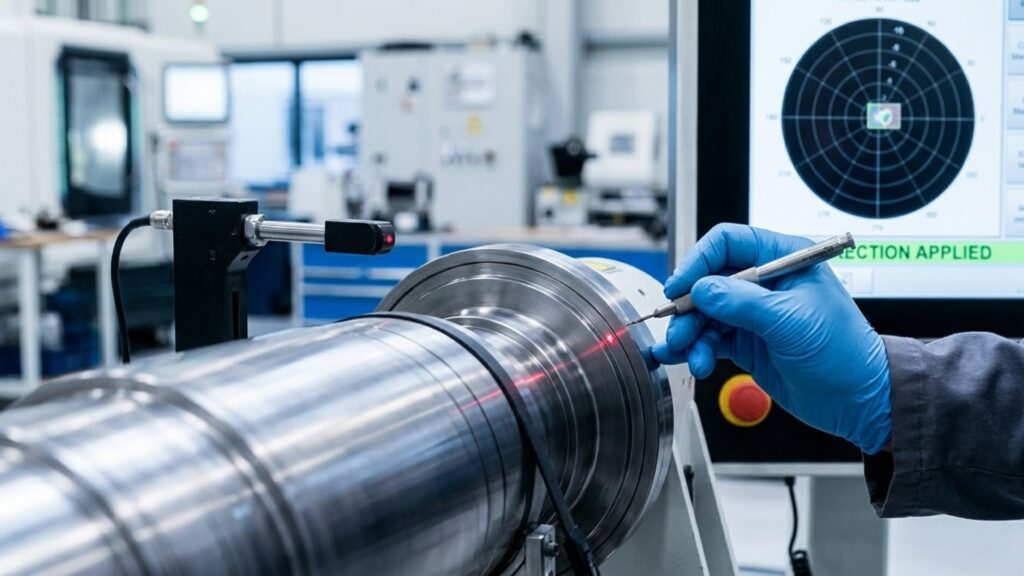
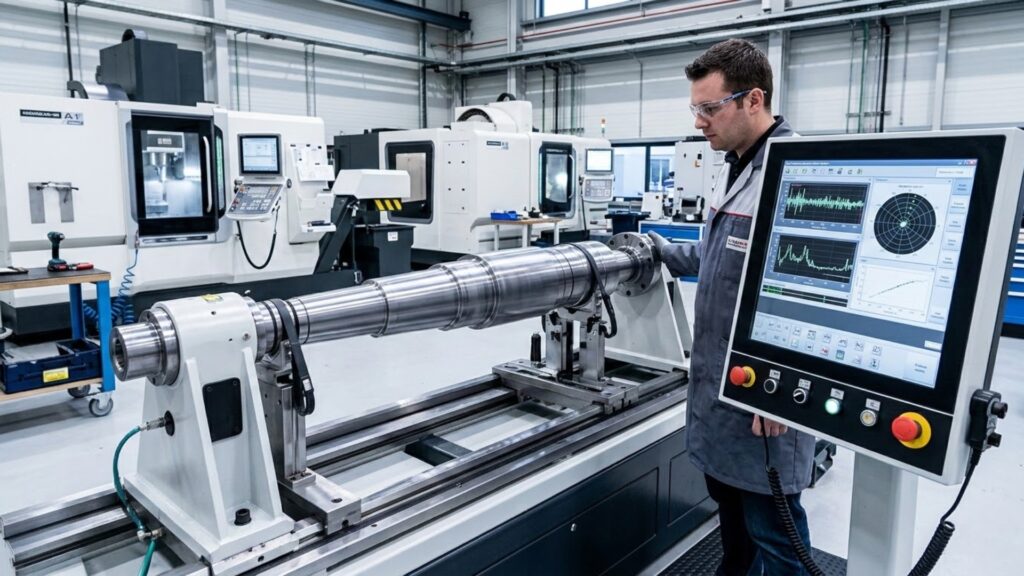
Dynamic balancing is the process of detecting and correcting imbalance in rotating objects while they spin at or near actual operating speed. Vibration sensors and FFT analysis measure imbalance in real time, and corrections are applied at one or two planes to eliminate vibration across the full rotor length. At Dynamic Balancing Technologies, dynamic balancing is what allows us to deliver tight ISO-grade results for high-speed components used across Grand Rapids manufacturing operations every day.
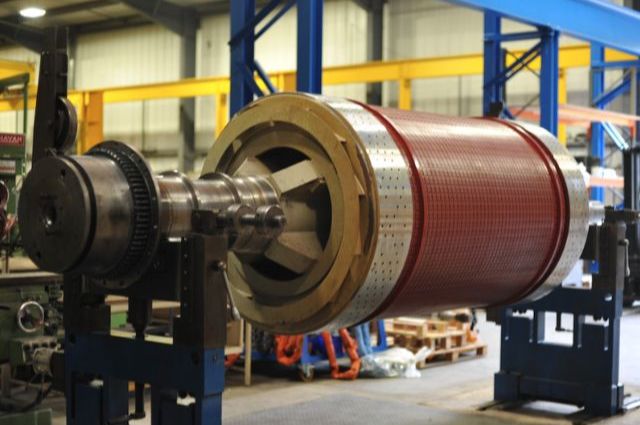
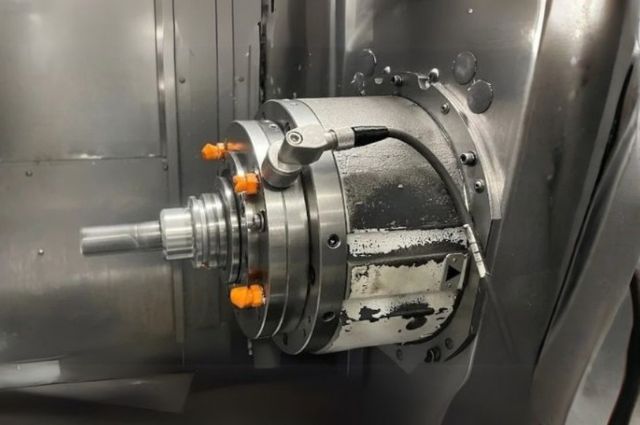
Common applications include high-speed CNC spindles, grinding spindles, electric motor armatures, pumps, fans, rotors, and tool holders. Our balancing equipment handles components up to 250 pounds at operating speeds of 20,000 RPM and beyond, capturing imbalance under real-world conditions. For any component where vibration impacts surface finish, bearing life, or precision tolerances, dynamic balancing is the method Grand Rapids equipment owners should specify when working with Dynamic Balancing Technologies.
Static vs. Dynamic Balancing: The Key Differences You Need to Know
At Dynamic Balancing Technologies, we walk equipment owners in Grand Rapids through the four most important differences between static and dynamic balancing — distinctions that drive every recommendation we make and every result our customers see in production.
Stationary vs. Rotational Measurement
Static balancing measures imbalance while the component is stationary, while dynamic balancing measures imbalance while the rotor spins at operating speed. This rotational measurement allows our team at Dynamic Balancing Technologies to capture forces and harmonics that static methods cannot detect, giving Grand Rapids equipment owners far more accurate correction for applications where operating speed truly matters.
Single-Plane vs. Dual-Plane Correction
Static balancing typically applies single-plane correction, suitable for thin, disc-shaped parts. Dynamic balancing applies single-plane or dual-plane correction depending on rotor geometry, length-to-diameter ratio, and operating speed. For longer rotors and high-speed spindles, only dual-plane dynamic correction eliminates vibration completely across the full length of the rotating assembly used in production environments.
Vibration Reduction and Precision Outcomes
Dynamic balancing achieves much tighter vibration tolerances at high RPM because it corrects the actual forces produced during operation. Static balancing leaves residual imbalance that worsens dramatically as speeds rise. For precision applications, Dynamic Balancing Technologies delivers ISO G 1.0 and G 2.5 results that static methods simply cannot reach, regardless of the operator’s skill or care during the static procedure.
Equipment Compatibility and Application Range
Static balancing fits low-speed disc-shaped components such as small wheels, pulleys, and fan blades. Dynamic balancing covers a much wider range — high-speed CNC spindles, electric motor armatures, pumps, fans, rotors, and tool holders used by Grand Rapids manufacturers across aerospace, automotive, machine tool, and many industrial sectors we serve every day.
When Equipment Owners Need Static Balancing vs. Dynamic Balancing
Static balancing is appropriate for low-speed, disc-shaped, and lightweight components where two-plane forces are minimal and single-plane correction fully resolves the imbalance. Examples include slower fan blades, simple pulleys, and similar parts where the geometry does not generate significant out-of-plane couple imbalance during operation. For Grand Rapids equipment owners running these components, our team confirms the suitability of static balancing during initial assessment before any correction begins on the part.
Dynamic balancing is required for high-speed rotors, CNC spindles, electric motor armatures, pumps, fans, and any component where vibration impacts surface finish, bearing life, or precision tolerances. Our High Speed Spindle Balancing services are specifically designed for applications where extreme RPM and tight tolerances demand precise correction. For any spindle operating above 10,000 RPM — and especially at 20,000 RPM and beyond — dynamic balancing is mandatory, not optional. Dynamic Balancing Technologies diagnoses each application individually rather than defaulting to a single method, ensuring Grand Rapids customers always get the right correction.
Our Precision Balancing Capabilities and ISO Standards
At Dynamic Balancing Technologies, our balancing capabilities are built on internationally recognized standards and audit-ready measurement traceability — the technical foundation Grand Rapids equipment owners rely on for every static and dynamic balancing project we deliver.
ISO G 1.0 and ISO G 2.5 Balance Grade Capability
We balance to ISO G 2.5 and the tighter ISO G 1.0 standards, depending on your application’s vibration sensitivity. ISO G 2.5 covers most general machine tool spindles, while ISO G 1.0 is required for grinding spindles and ultra-high-precision rotors. Dynamic Balancing Technologies certifies every job to internationally recognized balance quality standards, giving Grand Rapids customers reliable documentation for quality reviews.
NIST-Traceable Equipment and FFT Vibration Diagnostics
Every measurement we record is captured on NIST-traceable instruments, ensuring your balance results are fully defensible during quality reviews. Our FFT (Fast Fourier Transform) vibration diagnostics break down frequency content to isolate unbalance from misalignment, bearing defects, and resonance — letting our team correct the actual root cause rather than masking symptoms with trial weights or operator guesswork.
Component Capacity, RPM Range, and Plane Correction
Our balancing equipment handles components up to 250 pounds at operating speeds of 20,000 RPM and beyond, covering CNC spindles, tool holders, rotors, and electric motor armatures used across Grand Rapids manufacturing. We perform both single-plane and dual-plane correction, selecting the right approach based on rotor geometry, operating speed, and the application’s vibration sensitivity for lasting results.
Industries in Grand Rapids and Michigan That Rely on Professional Balancing
Aerospace and defense suppliers across Michigan rely on Dynamic Balancing Technologies for rotational accuracy and certified balance documentation that meets demanding quality requirements. Automotive Tier 1 and Tier 2 manufacturers operating high-speed production equipment depend on our work to keep their spindles vibration-free under tight cycle times. Machine tool builders, tool and die shops, and CNC machining centers across the Grand Rapids manufacturing landscape trust our team for both static and dynamic balancing of critical production components.
Beyond these core sectors, our team also supports power generation, paper mills, steel mills, ethanol plants, heat treating operations, textile facilities, and robotics applications running continuous rotating equipment. We balance spindles, electric motors, fans, pumps, armatures, rotors, and tool holders for industrial customers across every sector we serve. Wherever rotating mass and operating speed intersect in Grand Rapids and across Michigan, the right balancing method delivers measurable improvement in equipment life and product quality.
Frequently Asked Questions About Static and Dynamic Balancing
Equipment owners in Grand Rapids ask us the same set of questions when deciding between static and dynamic balancing. Below are the most common ones we hear from manufacturers across our wider service region every month.
What is the main difference between static and dynamic balancing?
Static balancing corrects imbalance while the component is stationary, typically in a single plane. Dynamic balancing measures and corrects imbalance while the rotor spins at operating speed, often requiring dual-plane correction. Dynamic Balancing Technologies applies whichever method is correct for each application we evaluate.
Can static balancing replace dynamic balancing for high-speed equipment?
No. Static balancing cannot replace dynamic balancing for high-speed rotating equipment. At higher RPM, two-plane forces dominate, and only dynamic balancing performed at operating speed by Dynamic Balancing Technologies will eliminate vibration completely and deliver lasting precision results across production runs and demanding shop conditions.
Which method is better for my CNC spindle?
CNC spindles — especially those operating at 20,000 RPM and beyond — almost always require dynamic balancing. Our team applies dual-plane correction with FFT diagnostics to deliver the precision tolerances Grand Rapids machine shops depend on for production-quality work and consistent repeatability across long machining cycles.
Can you balance my equipment without removing it from the machine?
Yes, in many cases. Dynamic Balancing Technologies offers onsite balancing using portable systems that analyze and correct imbalance directly on your equipment. This minimizes downtime for facilities throughout Grand Rapids and the wider Michigan manufacturing region we proudly serve every day.
How long does each balancing process take?
Most balancing jobs are completed within a few hours, depending on component type, balance grade required, and severity of imbalance. For emergency situations, our team often delivers same-day or next-day turnaround across our service footprint to keep production moving forward without prolonged interruption.
What documentation will I receive after balancing?
Every job includes FFT vibration plots, balance correction data, and a comprehensive balance certificate. This documentation from Dynamic Balancing Technologies is fully suitable for quality audits, performance benchmarking, internal maintenance records, and ongoing asset history files our customers maintain across many regulated industries.
Do you offer both static and dynamic balancing services in Grand Rapids?
Yes. Dynamic Balancing Technologies provides both static and dynamic balancing services for Grand Rapids customers, applying the method best suited to each component, application, and operating speed for measurable, lasting precision improvement across every project we deliver to manufacturers across the region.
How often should rotating equipment be rebalanced?
We recommend annual or semi-annual balancing for high-speed production equipment, depending on duty cycle and operating environment. For mission-critical machinery, our predictive maintenance programs catch developing imbalance early before it disrupts production schedules and creates costly unplanned downtime across the operation.
Partner with Dynamic Balancing Technologies for Precision Balancing in Grand Rapids
Static and dynamic balancing are two distinct disciplines, and choosing the right method for each application is the difference between lasting precision and recurring failures. At Dynamic Balancing Technologies, decades of experience, ISO G 1.0 and G 2.5 capability, NIST-traceable instruments, FFT diagnostics, single-plane and dual-plane correction, and 24-hour emergency onsite service stand ready for Grand Rapids equipment owners. Request a free phone consultation today and let our team identify the right balancing approach for your equipment.