At Dynamic Balancing Technologies, we help Detroit manufacturers compare dynamic balancing options and choose the approach that best fits their equipment, budget, and production goals. With more than 30 years of experience, our team guides you through the key decisions, from static versus dynamic balancing to onsite field work versus laboratory service, and reactive repair versus predictive maintenance. Every machine and facility is different, so we assess your rotating equipment before recommending a solution. The result is a clear, cost-effective choice that minimizes vibration, reduces downtime, and keeps your Detroit manufacturing operation running smoothly and reliably.
Why Choosing the Right Dynamic Balancing Option Matters in Detroit Manufacturing
In Detroit manufacturing, the balancing option you choose directly affects uptime, cost, and equipment life. The wrong approach can leave vibration uncorrected, accelerate bearing wear, and lead to unexpected failures on the production floor. The right approach restores smooth operation and keeps your rotating equipment performing reliably. At Dynamic Balancing Technologies, we help you weigh these options carefully so your decision is based on how your machinery actually runs, not guesswork or a one-size-fits-all recommendation.
Comparing options also protects your maintenance budget. Some equipment only needs occasional correction, while critical machines benefit from ongoing monitoring and planned service. By understanding the trade-offs between methods, service settings, and maintenance strategies, Detroit manufacturers can invest where it matters most. We bring decades of hands-on experience to this process, offering clear, honest guidance to help you balance performance and cost while avoiding unnecessary spending and the high cost of unplanned downtime.
Static vs. Dynamic Balancing: Comparing the Two Core Methods
The first option to compare is the balancing method itself. Static and dynamic balancing both correct imbalance in rotating parts, but they suit different components and conditions. At Dynamic Balancing Technologies, we help you choose the method that best fits your equipment.
What Is Static Balancing and When to Use It
Static balancing corrects imbalance in a component while it is stationary. It works well for simpler parts and lower-speed applications where a single-condition correction is enough. By addressing uneven mass distribution before a part is put into service, we help reduce vibration and wear, extending the life of your equipment and supporting dependable performance in your Detroit facility.
What Is Dynamic Balancing and When to Use It
Dynamic balancing corrects rotating machinery while it is in motion at operating speed. This method is ideal for high-speed and critical equipment, where imbalance is harder to detect and more damaging over time. By correcting the imbalance precisely under real operating conditions, we minimize vibration, reduce wear and tear, and help prevent the kind of catastrophic failure that unbalanced equipment can cause.
Choosing Between Static and Dynamic Balancing
The best method depends on the part, its speed, and how it operates in your facility. We assess your equipment and its history, then recommend static balancing, dynamic balancing, or a combination of both. This tailored approach ensures Detroit manufacturers get an accurate, cost-effective correction suited to each specific rotating component rather than a generic fix.
Onsite Field Balancing vs. Laboratory Balancing: Which Is Right for You?
The next option to compare is where the work happens. We perform balancing both onsite and in our laboratory, and the right setting depends on your equipment, timeline, and operating conditions across your Detroit facility.
Onsite & Field Balancing Advantages
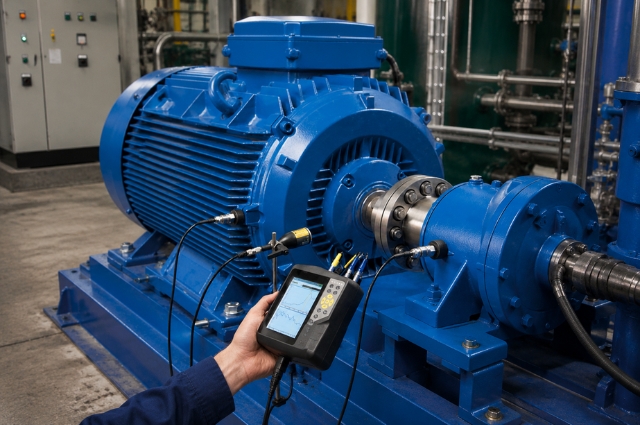
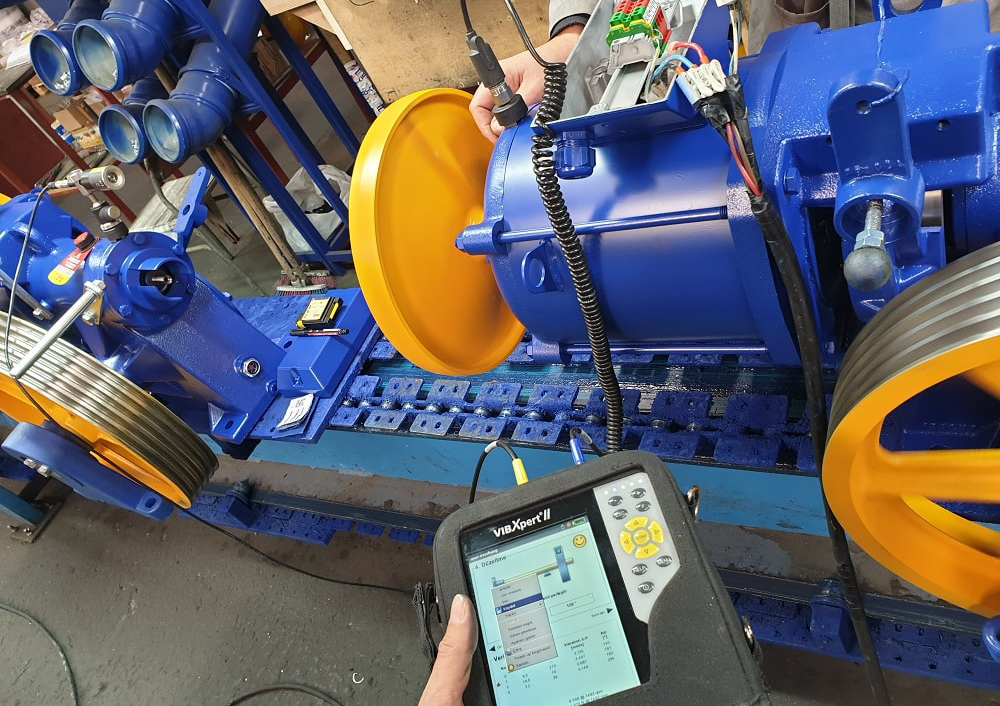
Our industrial field balancing service corrects unbalance while your equipment runs in place at operating speed. This onsite approach eliminates removal and shipping, reduces downtime, and lets us balance equipment under real conditions. For large fans, motors, and machinery that are difficult to move, onsite field balancing is often the fastest, most practical option for busy Detroit manufacturers.
Laboratory Balancing Advantages
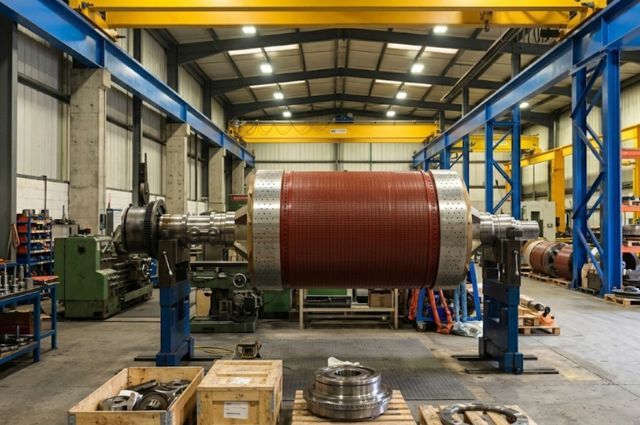
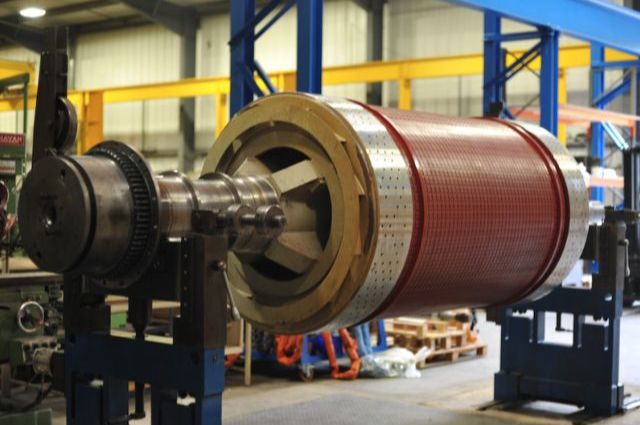
When components can be removed, laboratory balancing offers a controlled environment for precise work. This setting is well suited to spindles, armatures, and small, ultra-high-speed parts that demand tight tolerances and high repeatability. By balancing these components away from the production floor, we deliver accurate, reliable results and return your parts ready for dependable, long-term performance.
How We Help Detroit Manufacturers Decide
We never assume one setting is best for every job. Instead, we assess your equipment, consider how quickly you need it back in service, and recommend onsite balancing, laboratory work, or a combination of both. This flexible approach lets Dynamic Balancing Technologies match the service setting to each machine and situation.
Reactive Repair vs. Predictive Maintenance: Comparing Long-Term Strategies
Beyond individual jobs, manufacturers must also compare long-term strategies. Reactive repair means waiting until a machine fails, which brings rushed emergency work, unplanned downtime, and lost production. Predictive maintenance takes the opposite approach, using regular monitoring and vibration analysis to catch developing problems early. At Dynamic Balancing Technologies, predictive maintenance is one of our specialties, helping Detroit facilities move from costly surprises toward planned, manageable service that protects uptime and controls spending over time.
A predictive strategy begins with a baseline analysis on new installations and continues with ongoing monitoring to analyze hot-spot areas before they become serious faults. This proactive method helps extend equipment lifespan, reduce maintenance costs, and prevent unexpected downtime. While reactive repair will always have a place for sudden failures, we help manufacturers compare both approaches so they can decide where predictive maintenance delivers the greatest value across their rotating equipment.
Comparing Balancing Options Across Manufacturing Equipment Types
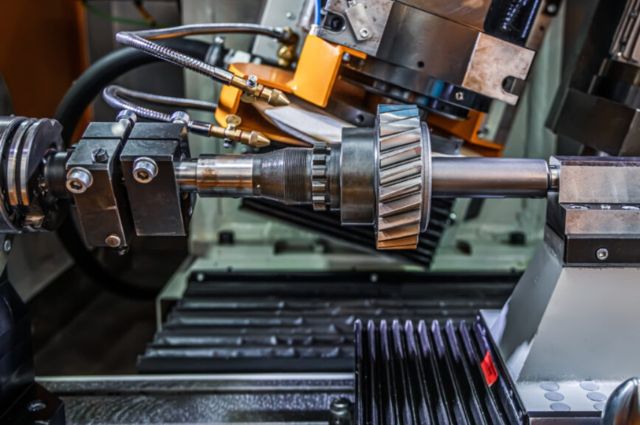
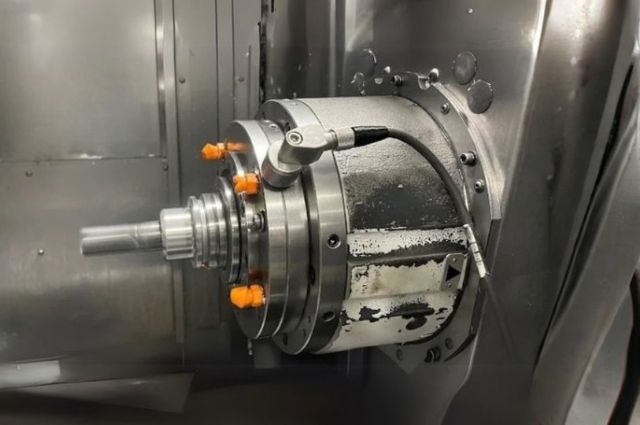
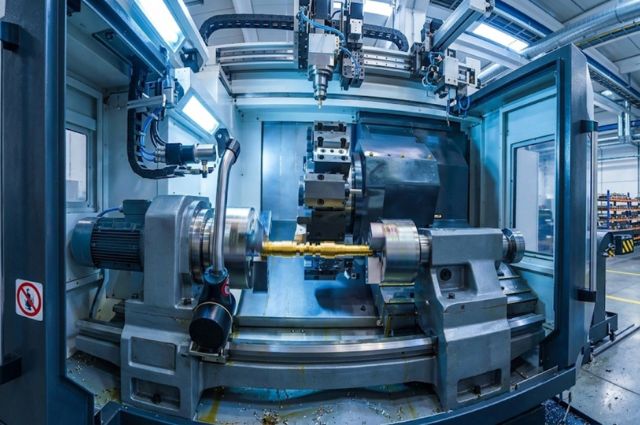
The best balancing option often depends on the equipment itself. We regularly service precision spindles, industrial fans, electric motors, pumps, armatures, and test stands, as well as machine tool components and other critical rotating parts. High-speed spindles, for example, usually call for precise laboratory work, while large industrial fans are often best balanced onsite. Our broad knowledge across these equipment types lets us recommend the right method and settings for each one.
Speed, size, and accessibility all influence the comparison. Small, ultra-high-speed components with tight tolerances and high repeatability require different handling than large machinery that is difficult to remove. We consider all these factors when advising Detroit manufacturers, ensuring each machine receives the balancing option that delivers smooth operation, reduced vibration, and the longest possible service life for your specific equipment.
Industries and Applications We Compare Balancing Options For
Our experience spans a broad range of demanding industries. We regularly serve automotive and aerospace manufacturers, power generation plants, steel and paper mills, textile and ethanol facilities, heat treating operations, and machine tool shops. Each sector has different equipment, tolerances, and uptime requirements, so comparing balancing options matters. We bring the versatility and technical knowledge needed to recommend the right approach for the unique demands of each industry we support.
Detroit’s strong automotive manufacturing base relies on balanced, dependable machinery to maintain consistent output and quality. We also support air handling systems, hospitals, military applications, robotics, and general machine repair and manufacturing facilities. Wherever rotating equipment is critical, Dynamic Balancing Technologies helps manufacturers compare their options and choose solutions that keep production efficient, safe, and running without costly interruption across the wider Detroit region.
Why Compare Balancing Options With Dynamic Balancing Technologies in Detroit
With more than three decades of hands-on experience, we have built an exceptional reputation for quality, precision, and cost-effective solutions. As an independently owned company, Dynamic Balancing Technologies makes customer service our top priority, offering a free phone consultation to understand your needs before recommending an option. Our experience across many equipment types and industries lets us compare approaches objectively and guide you toward the choice that best fits your Detroit manufacturing operation and its goals.
We invest in state-of-the-art technology and modern techniques to deliver accurate, reliable results on every job. Our experienced and skilled team is committed to prompt, courteous, and professional solutions at a competitive price, with great attention to detail and proactive problem solving. When Detroit manufacturers need an honest partner to compare dynamic balancing options and implement the right one, they trust Dynamic Balancing Technologies to protect their equipment and reduce downtime.
Frequently Asked Questions About Dynamic Balancing Options in Detroit
What is the difference between static and dynamic balancing?
Static balancing corrects imbalance in a stationary part, while dynamic balancing corrects rotating machinery while it operates at speed. Dynamic balancing addresses imbalance more completely, making it the better choice for high-speed and critical manufacturing equipment in Detroit.
Is onsite field balancing better than laboratory balancing?
Neither is universally better; it depends on your equipment. Onsite field balancing reduces downtime for large machinery that is hard to move, while laboratory balancing offers controlled precision for removable parts. We assess your equipment and recommend the best option.
Which balancing option is best for high-speed spindles?
High-speed precision spindles usually benefit from careful work in a controlled setting, where tight tolerances and high repeatability are achievable. We specialize in small, ultra-high-speed components and help Detroit manufacturers choose the method that delivers the most accurate, reliable spindle results.
How do I know which dynamic balancing option my equipment needs?
We start by assessing your equipment and its operating history. Based on speed, size, accessibility, and condition, we recommend the right method and service setting, so your decision reflects how your machinery actually runs in your facility.
Can predictive maintenance reduce my balancing costs?
Yes. By monitoring equipment and catching developing imbalance early, predictive maintenance helps you avoid emergency repairs and unplanned downtime. We establish baselines and analyze hot-spot areas over time, allowing Detroit manufacturers to plan service and control long-term maintenance costs more effectively.
Compare Your Dynamic Balancing Options With Detroit’s Experts
Choosing the right balancing approach shouldn’t be guesswork. For more than 30 years, Dynamic Balancing Technologies has helped Detroit manufacturers compare dynamic balancing options and select solutions that reduce downtime, extend equipment life, and improve reliability. From static and dynamic balancing to onsite, laboratory, and predictive maintenance programs, we match the method to your machinery. Contact Dynamic Balancing Technologies today for a free consultation, and let our experienced team help you compare your options and choose the best one for your Detroit operation.