At Dynamic Balancing Technologies, we know that imbalance in rotating equipment rarely appears overnight. It builds gradually, showing warning signs long before a machine finally fails. Recognizing these signs early can save your facility from costly downtime and major repairs. With more than 30 years of experience, our team helps manufacturers identify when their machinery requires dynamic balancing and vibration analysis. In this guide, we explain common imbalance symptoms, what happens if you ignore them, and how we diagnose and correct the problem to keep your rotating equipment running smoothly and reliably.
Why Catching Imbalance Early Protects Your Machinery
Unbalance in rotating machinery doesn’t fix itself; it steadily worsens. As a machine runs, even a small imbalance creates vibration that stresses bearings, shafts, and surrounding components. Over time, that stress accelerates wear and pushes equipment toward failure. By recognizing the early signs and acting quickly, you can correct the problem while it is still minor. At Dynamic Balancing Technologies, we help Detroit facilities catch these issues early, protecting equipment and production schedules from avoidable disruption.
Early action is almost always cheaper than a reactive repair. A timely dynamic balancing service costs far less than replacing a failed motor or halting a production line for emergency work. Catching imbalance early also extends equipment lifespan, reduces maintenance costs, and improves efficiency. When you understand what to watch for, you gain the power to schedule service on your terms rather than reacting to a sudden breakdown, which is exactly the proactive approach we encourage for every customer.
What Is Dynamic Balancing and Why Machinery Falls Out of Balance
Dynamic balancing is the process of identifying and correcting imbalance in rotating machinery to minimize vibration, reduce wear and tear, and prevent catastrophic failure. While static balancing corrects a stationary component, dynamic balancing addresses equipment while it operates at speed. Both methods restore even mass distribution so machines run smoothly. At Dynamic Balancing Technologies, we use these techniques to bring rotating equipment back within the vibration specification it needs for reliable performance.
Machinery falls out of balance for many reasons. Normal wear, material buildup, corrosion, damage, and lost or shifted material can all create uneven mass in a rotating part. Repairs, replacements, and even routine operation can gradually change how a component spins. Because so many factors contribute to imbalance, it is a common and recurring issue across rotating equipment. Understanding these causes helps explain why regular attention and timely balancing matter for long-term reliability.
Common Warning Signs Your Machinery Requires Dynamic Balancing
Most imbalance problems announce themselves through clear, recognizable symptoms. Knowing what to look and listen for helps you act before minor issues become major failures. At Dynamic Balancing Technologies, we encourage every facility to watch for these warning signs closely.
Excessive Vibration During Operation
The most direct sign of imbalance is excessive vibration while equipment runs. If a machine shakes, pulses, or vibrates more than usual, uneven mass distribution is often the cause. This vibration stresses components and tends to worsen over time, so you should never ignore it. Vibration analysis helps us confirm whether imbalance is the true source of the problem.
Unusual Noise, Humming, or Rattling
Imbalance frequently produces unusual sounds. Humming, rattling, knocking, or a change in a machine’s normal operating noise can all point to a developing problem. These sounds often accompany vibration and signal that components are being stressed. When your equipment starts to sound different, it strongly indicates it may need dynamic balancing or further vibration analysis.
Premature Bearing and Component Wear
When bearings, seals, or other parts wear out faster than expected, imbalance is a likely culprit. Extra vibration from an unbalanced rotor puts constant strain on these components, shortening their service life. If you find yourself replacing the same parts repeatedly, the underlying cause may be imbalance that balancing can correct, saving you from ongoing repairs.
Reduced Performance and Efficiency
Imbalance forces machinery to work harder, which shows up as reduced performance and efficiency. You may notice higher energy consumption, increased heat, or a drop in output quality and quantity. These subtle signs often appear before a dramatic failure. Correcting the imbalance restores smooth operation, helping your equipment run efficiently and deliver the performance your operation depends on.
Visible Movement, Loose Fasteners, or Hot Spots
Sometimes imbalance is visible. Equipment that appears to move, shift, or “walk,” along with bolts and fasteners that loosen repeatedly, can indicate a balance problem. Localized heat buildup, or hot-spot areas, is another physical clue. These visible and tactile signs are worth investigating promptly, as they often reflect vibration that is actively damaging your rotating equipment.
What Happens If You Ignore the Signs of Imbalance
Ignoring the warning signs of imbalance can turn a small, correctable problem into a serious, expensive one. At Dynamic Balancing Technologies, we help facilities understand the real consequences of waiting too long to address vibration in their rotating equipment.
Accelerated Equipment Damage
Left uncorrected, imbalance grows worse with every hour of operation. The constant vibration damages bearings, shafts, seals, and even the structures supporting the machine. What began as a minor issue can spread, affecting multiple components and turning a simple balancing job into a major repair. Early correction prevents this kind of escalating, avoidable damage.
Costly Unplanned Downtime
When imbalance finally causes a failure, it rarely happens at a convenient time. A critical machine can stop mid-production, halting your operation and forcing emergency repairs. This unplanned downtime is one of the most expensive problems a facility can face. Recognizing the signs early lets you schedule service in advance and avoid these sudden, costly interruptions.
Higher Long-Term Maintenance Costs
Neglected imbalance drives up maintenance costs over time. Repeated part replacements, emergency labor, and shortened equipment life all add up quickly. By contrast, correcting imbalance early keeps costs predictable and manageable. We help customers avoid this cycle of escalating expense by addressing vibration promptly, protecting both their budgets and their equipment for the long term.
How We Diagnose Imbalance With Vibration Analysis
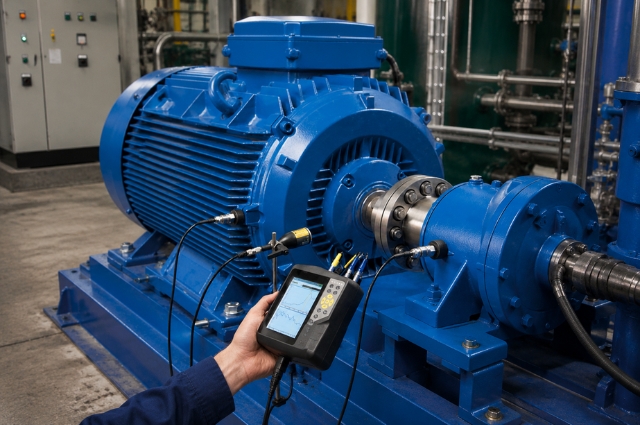
Recognizing the signs is the first step; confirming the cause is the next. Vibration analysis is the process of analyzing machinery vibrations to detect and diagnose potential problems or malfunctions. At Dynamic Balancing Technologies, we use advanced diagnostics to determine whether imbalance, or another issue, is behind the symptoms you are seeing. This precise approach ensures we treat the root cause rather than just the surface symptoms.
Our diagnostic work can include establishing a baseline analysis on new installations and monitoring machinery over time to analyze hot-spot areas before they develop into serious faults. By combining vibration analysis with our dynamic balancing expertise, we identify problems early and recommend the right correction. This predictive approach helps Detroit facilities shift from reacting to failures to preventing them, keeping rotating equipment healthy and minimizing the risk of unexpected, costly downtime.
Equipment Most Likely to Show These Signs
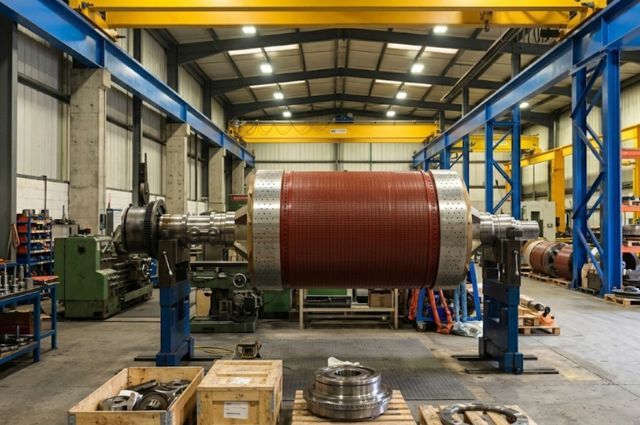
Almost any rotating equipment can fall out of balance, but some machines are especially prone to it. We regularly service precision spindles, industrial fans, electric motors, pumps, armatures, and test stands, along with machine tool components and other critical rotating parts. High-speed spindles and fans, in particular, show imbalance quickly because even small amounts of uneven mass create significant vibration at elevated operating speeds, making early recognition especially important for these machines.
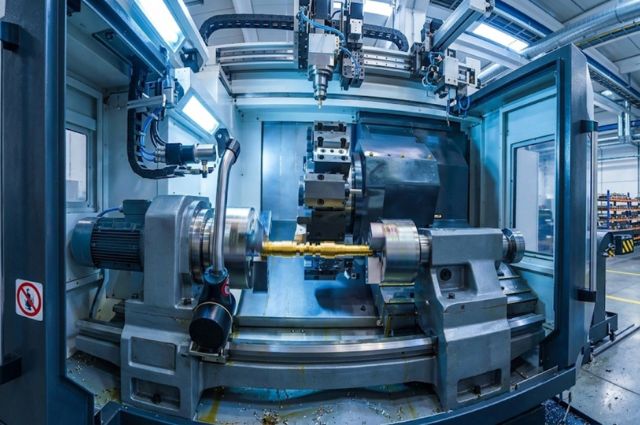
Our diverse knowledge spans machine tool applications and small, ultra-high-speed components that require tight tolerances and high repeatability. This breadth of experience means we can recognize the signs of imbalance across a wide range of equipment, from the smallest precision parts to large industrial machinery. Whatever rotating equipment your facility relies on, Dynamic Balancing Technologies can help you identify and correct imbalance before it leads to failure.
Why Choose Dynamic Balancing Technologies to Correct Imbalance
With more than three decades of hands-on experience, we have built an exceptional reputation for quality, precision, and cost-effective solutions. As an independently owned company, Dynamic Balancing Technologies treats customer service as our top priority and offers a free phone consultation to discuss the symptoms you are seeing. We provide onsite and laboratory service, along with 24-hour emergency onsite balancing, so we can respond quickly whether your issue is routine or urgent.
We invest in state-of-the-art technology and modern techniques to deliver accurate, reliable results every time. Our experienced and skilled team brings great attention to detail and proactive problem solving to every job, meeting or exceeding the required vibration specification unique to your equipment. When you notice the signs of imbalance, you need a partner who can diagnose and correct it with confidence, which is why so many facilities trust Dynamic Balancing Technologies.
Frequently Asked Questions About Signs Your Machinery Needs Balancing
What are the most common signs that machinery needs dynamic balancing?
The most common signs include excessive vibration, unusual noise, premature bearing wear, reduced performance, and visible movement or loose fasteners. Any of these symptoms can suggest imbalance, and vibration analysis can confirm whether your rotating equipment needs dynamic balancing.
Can vibration always be fixed by balancing?
Not always. Vibration can also come from misalignment, worn bearings, or looseness. That is why we perform vibration analysis first, to detect and diagnose the true cause. Once we confirm imbalance is the issue, dynamic balancing is an effective and lasting solution.
How quickly should I act when I notice these signs?
As soon as possible. Imbalance worsens over time, causing more damage and higher costs the longer it goes uncorrected. Acting early lets us correct the problem while it is still minor, helping you avoid unexpected failures and expensive unplanned downtime in your facility.
Can I detect imbalance myself, or do I need vibration analysis?
You can often notice warning signs like vibration or noise yourself, but confirming the exact cause requires vibration analysis. Our diagnostics pinpoint whether imbalance is the real issue, so you avoid unnecessary work and address the root cause.
What types of equipment are most prone to imbalance?
High-speed rotating equipment such as precision spindles, industrial fans, electric motors, pumps, and armatures is especially prone to imbalance. We service all of these and more, helping facilities recognize and correct balance problems across many different types of rotating machinery.
Act Early and Protect Your Machinery With Our Experts
Recognizing the signs of imbalance early is one of the best ways to protect your machinery and your budget. For more than 30 years, Dynamic Balancing Technologies has helped facilities identify and correct imbalance through expert dynamic balancing and vibration analysis, reducing downtime and extending equipment life. If your rotating equipment shows any of these warning signs, don’t wait for a failure. Contact Dynamic Balancing Technologies today for a free consultation and let our experienced team keep your machinery running smoothly and reliably.