Understanding the difference between dynamic balancing and static balancing is essential for anyone responsible for keeping rotating equipment running smoothly. At Dynamic Balancing Technologies, we correct imbalance in rotating machinery every day, and we know how the right balancing method protects your equipment from excessive vibration, premature wear, and costly failure. Both approaches share the same goal — aligning the effective mass centerline with the true axis of rotation — but they solve different problems in different ways. In this guide, we explain the key differences clearly so you can understand which method your equipment truly needs.
Understanding Balancing in Rotating Machinery
Balancing is the foundation of reliable rotating machinery, because every rotor, shaft, or spindle carries some degree of unbalance that must be identified and corrected. At Dynamic Balancing Technologies, we describe balancing as the removal or addition of weight to a unit so that its effective mass centerline approaches the true axis of rotation. When that alignment is achieved, the equipment runs smoothly, vibration drops, and the risk of premature wear or catastrophic failure falls dramatically. Without proper balancing, even a small heavy spot can create damaging forces at operating speed.
Unbalance affects far more than comfort or noise; it directly impacts tolerance, component life, and overall equipment performance. When a rotating body is not properly balanced, it generates vibration that stresses bearings, couplings, and surrounding structures over time. That is why we treat balancing as a precision discipline rather than a simple adjustment. Whether the correction is static or dynamic, our goal remains the same: bring the mass centerline into alignment with the axis of rotation so your rotating equipment operates within its required specification and delivers dependable, long-lasting service.
What Is Static Balancing?
Static unbalance is one of the simplest forms of unbalance, and understanding it is the first step toward understanding balancing as a whole. It is equivalent to a single heavy spot on the rotor being balanced, and it is called static because it is present even when the rotor is not spinning. At Dynamic Balancing Technologies, we explain it this way: static balancing is necessary to prevent a stationary object from rolling, because the position of the heavy spot determines how the part behaves at rest.
The concept centers on the center of gravity and its relationship to the axis of rotation. When an object’s center of gravity sits on its axis of rotation, it remains stationary in any position. But when the center of gravity is not on that axis, the part tends to roll, and a braking force is required to keep it still. A rotating body at rest is in static balance if it stays at rest at all angular positions of its axis, and this condition can be corrected with a single-plane balance.
What Is Dynamic Balancing?
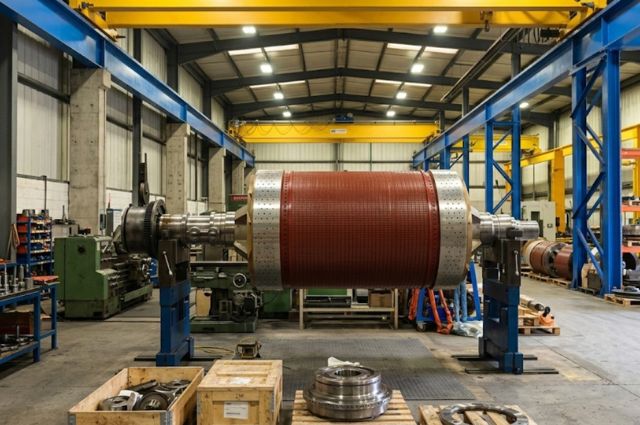
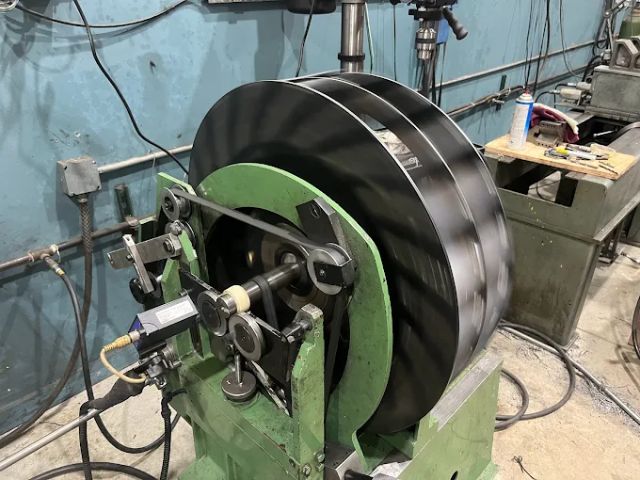
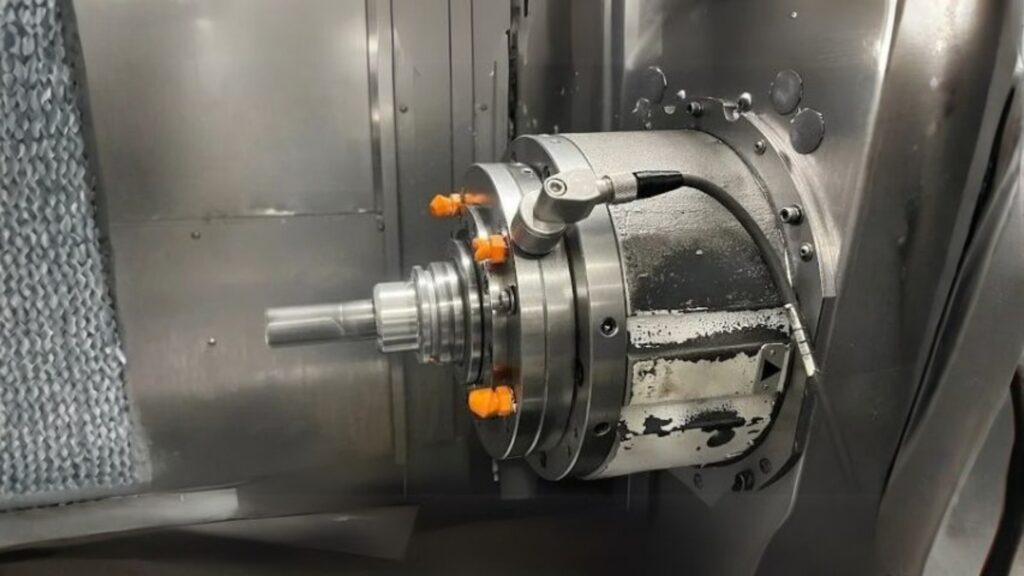
Dynamic balancing is the method through which we balance the moving parts of a machine or piece of industrial machinery while rotating those parts at high speeds. At Dynamic Balancing Technologies, this process allows us to gain a precise measurement of the imbalance within each individual rotating component and then correct it to the proper tolerance by either adding or removing material or balancing weight. Because the part is spinning during correction, dynamic balancing addresses forces that only appear at operating speed, which a stationary check simply cannot reveal or resolve on its own.
This approach is essential for rotating equipment that operates across a wide range of speeds and sizes. In addition to dynamically balancing rotors, pulleys, shafts, and tooling for the spindle motors we service, we offer dynamic balancing for all types of rotating equipment upward of 20,000 to 30,000 pounds. From small ultra-high-speed components to large industrial machinery, our dynamic balancing services bring the effective mass centerline into alignment with the true axis of rotation, ensuring smooth operation, reduced vibration, and a meaningful reduction in the risk of unexpected downtime.
Key Differences Between Dynamic Balancing and Static Balancing
The core difference between dynamic balancing and static balancing lies in motion: static balancing corrects a heavy spot on a part at rest, while dynamic balancing measures and corrects imbalance in components rotating at high speed, resolving forces that only appear during actual operation.
Single-Plane vs. Multi-Plane Correction
Static unbalance can typically be corrected with a single-plane balance, addressing one heavy spot in one correction plane. Dynamic balancing, by contrast, often requires correction across more than one plane because imbalance can exist at different points along a rotating component, demanding a more thorough approach to bring the entire part within its required vibration tolerance and specification.
Stationary Balance vs. High-Speed Rotational Balance
Static balancing evaluates a part while it is stationary, focusing on whether it stays at rest at every angular position. Dynamic balancing evaluates the same part while it spins at speed, capturing the real forces generated during operation. This distinction is why high-speed rotating equipment nearly always requires dynamic balancing rather than a stationary check alone.
When Does Your Equipment Need Static Balancing vs. Dynamic Balancing?
Knowing when to use static balancing versus dynamic balancing depends heavily on how your equipment operates in the real world. Static balancing may be appropriate for simpler, lower-speed parts where a single heavy spot is the primary concern and a single-plane correction resolves the issue. At Dynamic Balancing Technologies, we help you determine the right method based on the component, its operating speed, and its role in your process, so you never over-correct or under-correct a critical piece of rotating equipment.
For most high-speed and precision applications, dynamic balancing is the method your equipment needs. We routinely dynamically balance rotors, pulleys, shafts, armatures, spindles, fans, and electric motors, along with tooling for the spindle motors we service. When a component operates at speed and demands tight tolerances with high repeatability, dynamic balancing delivers the accuracy required. Our experience across many equipment types allows us to match the correct balancing strategy to each application, protecting performance and extending service life.
How Vibration Analysis Determines the Right Balancing Method
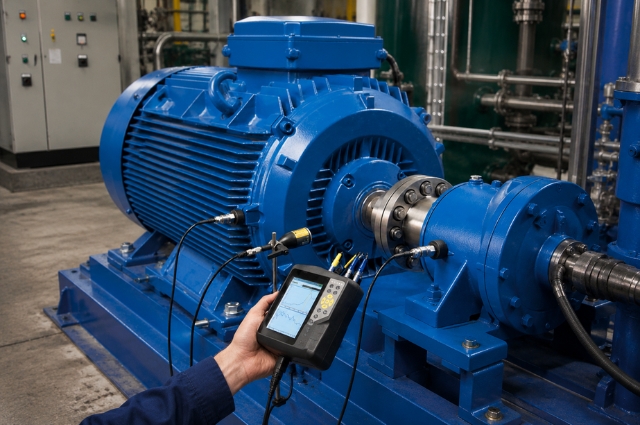
Vibration analysis is the diagnostic process we use to detect and analyze vibrations in machinery, and it plays a central role in determining whether static or dynamic balancing is required for your equipment and its specific operating conditions.
Detecting Imbalance Before It Causes Failure
Through vibration analysis, we detect developing imbalances long before they escalate into serious problems or outright failure. By measuring vibration in rotating machinery, we can identify hot spots and pinpoint issues indicating a part has drifted outside its acceptable tolerance, giving your team the insight needed to proactively schedule precise balancing corrections rather than reactively.
Baseline Analysis and Ongoing Monitoring
We also use vibration analysis to establish a baseline on new installations and to monitor machinery over time. Whether you need a baseline analysis on a new install or ongoing monthly monitoring of critical equipment, this data reveals how a component’s condition is trending and confirms whether static or dynamic balancing will best restore smooth, reliable operation.
Why Choose Dynamic Balancing Technologies for Precision Balancing
Choosing the right partner for precision balancing makes a measurable difference in your equipment’s performance and reliability. At Dynamic Balancing Technologies, we bring 33 years of hands-on industry experience to every project, along with an exceptional reputation built on quality, cost-effective solutions. We specialize in on-site and field balancing, allowing us to correct imbalances while your equipment remains installed, and we offer 24-hour emergency on-site balancing so a sudden vibration issue never has to halt your production for longer than absolutely necessary.
Our team is highly trained and experienced, and we work closely with your personnel to deliver a clear, concise plan tailored to each project’s requirements. We have deep experience with parts requiring tight tolerances and high repeatability, from small ultra-high-speed components to large rotating equipment. Whatever your balancing challenge, we commit to meeting or exceeding the vibration specification required for your application, backed by great attention to detail, proactive problem-solving, and genuinely competitive pricing.
Industries and Equipment We Balance
Dynamic Balancing Technologies serves a broad range of industries, reflecting the versatility of our balancing and vibration analysis services. We are well versed in servicing sectors such as automotive, aerospace, textile, ethanol, steel mill, machine repair, and manufacturing facilities. Each of these industries relies on rotating machinery that must operate within precise tolerances, and our experience across these diverse fields allows us to understand the unique demands of your equipment and deliver balancing solutions that keep your operation running efficiently and reliably.
The equipment we balance spans an impressive range of sizes and applications. We work with rotors, pulleys, shafts, armatures, spindles, fans, and electric motors, handling everything from small ultra-high-speed components to large rotating equipment upward of 20,000 to 30,000 pounds. Whether your facility depends on precision spindles, industrial fans, or electric motors, we have the knowledge and capability to correct imbalance accurately. This breadth of experience makes us a single, trusted resource for both static and dynamic balancing across many demanding industrial environments.
Frequently Asked Questions About Dynamic and Static Balancing
What is the main difference between static and dynamic balancing?
Static balancing corrects a single heavy spot on a part that is present even when it is not spinning, using a single-plane balance. Dynamic balancing measures and corrects imbalance in components rotating at high speed, resolving forces that only appear during actual operation.
Can static balancing fix high-speed rotating equipment?
Static balancing addresses a single heavy spot on a part at rest, which is often insufficient for high-speed equipment. Components operating at speed usually require dynamic balancing, because it measures and corrects imbalance while the part rotates, capturing forces a stationary check cannot reveal.
How do I know if my equipment needs static or dynamic balancing?
Vibration analysis is the best way to determine the right method. We measure vibration in your rotating machinery, identify hot spots and imbalances, and recommend static or dynamic balancing based on the component, its operating speed, and its role in your process.
What types of equipment require dynamic balancing?
Rotating equipment operating at speed typically requires dynamic balancing. We routinely balance rotors, pulleys, shafts, armatures, spindles, fans, and electric motors, handling everything from small ultra-high-speed components to large machinery upward of 20,000 to 30,000 pounds across many industrial applications.
Do you provide onsite dynamic and static balancing services?
Yes. We specialize in onsite and field balancing, correcting imbalance while your equipment remains installed to minimize downtime. We also offer 24-hour emergency onsite balancing, bringing our tools and expertise directly to your facility to restore smooth, reliable operation as quickly as possible.
Get Expert Static and Dynamic Balancing Solutions
Both static balancing and dynamic balancing play important roles in keeping rotating equipment running smoothly, and understanding their key differences helps you protect your machinery and your bottom line. At Dynamic Balancing Technologies, we combine 33 years of experience with precision vibration analysis and onsite balancing to correct imbalance accurately, whatever your equipment demands. Let us help you reduce vibration, extend equipment life, and prevent costly downtime. Contact us today to request a quote and discover the right balancing solution for your operation.