
At Dynamic Balancing Technologies, we understand how essential equipment reliability is to Detroit’s industrial heartbeat. As the city continues to strengthen its position in automotive manufacturing, aerospace production, steel processing, machining, energy facilities, and large-scale material handling, the demands placed on rotating equipment have never been greater. Predictive Maintenance Service in Detroit, MI has become a vital component for industries that require nonstop performance from motors, spindles, fans, blowers, pumps, compressors, and high-speed machinery. In a city where precision, productivity, and uptime define success, predictive maintenance enables Detroit companies to prevent equipment failures, identify mechanical issues early, and maintain long-term operational stability. By combining vibration analysis, dynamic balancing, laser alignment, condition monitoring, thermal diagnostics, and advanced predictive algorithms, we deliver maintenance strategies that help Detroit industries stay competitive in a high-pressure environment. Our mission is to help companies achieve maximum equipment longevity while reducing downtime, improving energy efficiency, and cutting long-term maintenance costs.
Understanding Predictive Maintenance and Its Role in Detroit’s Industrial Operations
Predictive maintenance has reshaped Detroit’s industrial landscape by replacing outdated maintenance approaches with real-time condition monitoring and data-driven decision-making. Instead of relying solely on scheduled preventive maintenance or reacting to breakdowns, predictive maintenance uses advanced diagnostics to detect internal machinery health issues before problems escalate. This strategy is especially critical in Detroit, where manufacturing lines operate continuously and even minor disruptions can lead to costly production delays. Predictive maintenance allows Detroit businesses to monitor the condition of rotating equipment using vibration readings, temperature shifts, load variations, acoustic patterns, and alignment measurements. These insights empower companies to plan maintenance with precision, reducing unnecessary service work while ensuring that emerging issues are addressed promptly. As Detroit industries continue to adopt automation, robotics, and high-speed equipment, predictive maintenance becomes an essential part of maintaining production consistency and equipment reliability across all sectors.
How Predictive Maintenance Works: A Breakdown of the Process
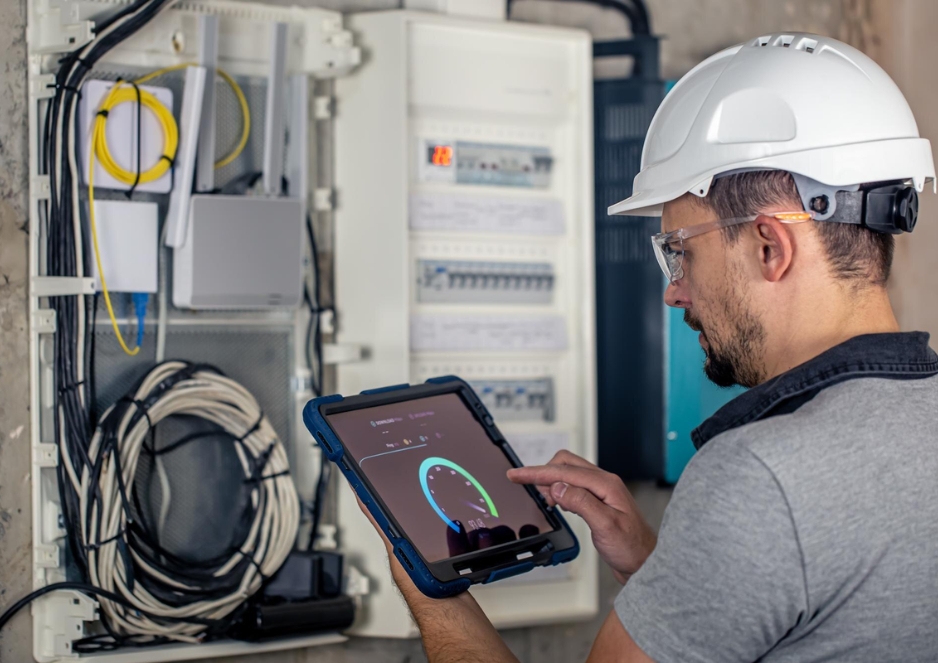
The predictive maintenance process begins with collecting data from machinery while it operates under normal conditions. Sensors and diagnostic tools capture real-time performance indicators that reveal how equipment behaves as workloads change. Vibration analysis identifies imbalance, misalignment, bearing wear, and component looseness by measuring frequency patterns that cannot be detected visually. Thermal monitoring identifies heat buildup caused by friction, motor stress, electrical imbalance, or inadequate lubrication. Laser shaft alignment ensures rotating components operate in a straight, stable, and efficient configuration. Predictive algorithms analyze this data over time to identify trends that signal developing issues long before any noticeable symptoms appear. This continuous monitoring approach allows Detroit manufacturers to schedule repairs at optimal times, prevent catastrophic failures, and maintain consistent production output across demanding manufacturing environments.
Core Technologies Behind Predictive Maintenance in Detroit
Predictive maintenance relies on advanced technologies that offer precise insights into mechanical health. Vibration monitoring uses sensors mounted on motors, fans, pumps, and spindles to capture detailed frequency signatures. These signatures reveal hidden stresses that traditional inspection methods cannot detect. Thermal imaging technology measures temperature deviations that indicate internal friction, electrical resistance, or motor instability. Laser shaft alignment systems ensure that motors and driven components maintain perfect linear alignment, preventing energy waste and mechanical degradation. Dynamic balancing equipment restores rotational symmetry to high-speed rotors, fans, and blower assemblies, reducing vibration and extending equipment lifespan. Combined with condition monitoring software and predictive analytic tools, these technologies give Detroit manufacturers a powerful system for protecting equipment and preventing costly breakdowns.
Why Predictive Maintenance Is Critical for Detroit’s Heavy Industrial Environment
Detroit’s industrial sector depends on machinery that operates continuously under heavy loads, making predictive maintenance essential for preserving equipment health. Predictive maintenance reduces unplanned downtime by identifying equipment stress before it leads to failure. This is especially important in Detroit’s automotive plants, where even a single hour of downtime can affect production goals and disrupt the supply chain. Predictive maintenance improves asset longevity by keeping motors, fans, blowers, and spindles operating within safe performance thresholds. It enhances workplace safety by reducing the risk of catastrophic mechanical failures, overheating, and vibration-induced hazards. Predictive maintenance also lowers operational costs by minimizing emergency repair events, reducing spare parts consumption, and improving overall energy efficiency. For Detroit manufacturers, predictive maintenance is not just a technical advantage—it is a critical investment that supports long-term growth and operational sustainability.
Predictive Maintenance Services Provided by Dynamic Balancing Technologies
We offer Detroit industries a complete range of predictive maintenance services designed to keep rotating equipment stable, balanced, and operating at peak performance. Through vibration analysis, we detect mechanical issues that go undetected during visual inspections, allowing us to correct problems before they cause extensive damage. Our dynamic balancing services restore smooth rotational performance to motors, fans, pumps, blowers, and other high-speed equipment, eliminating excess vibration and reducing bearing wear. Laser shaft alignment ensures perfect connectivity between rotating components, reducing friction, heat buildup, and motor strain. On-site condition monitoring allows Detroit companies to receive real-time insights into how their equipment performs without removing machinery from production. We also specialize in electric motor diagnostics, high-speed spindle repair, and troubleshooting services that support every phase of the predictive maintenance cycle. With forward-thinking maintenance strategies, we help Detroit facilities operate efficiently while protecting their equipment investments.
How Predictive Maintenance Prevents Equipment Failures
Predictive maintenance prevents equipment failure by identifying stress, instability, and fatigue before they develop into major mechanical problems. By analyzing vibration signals, thermal patterns, and rotational accuracy, predictive monitoring reveals the earliest signs of imbalance, misalignment, bearing fatigue, and internal wear. When Detroit facilities act on these early warnings, they prevent equipment from entering dangerous operating conditions that could result in extensive downtime or catastrophic failures. Predictive maintenance stabilizes machinery, reduces friction-related deterioration, and prevents overheating, which often leads to motor burnout or shaft distortion. This proactive approach creates a safer, more efficient production environment and ensures that Detroit’s industrial equipment remains reliable over the long term.
Industries in Detroit That Rely on Predictive Maintenance
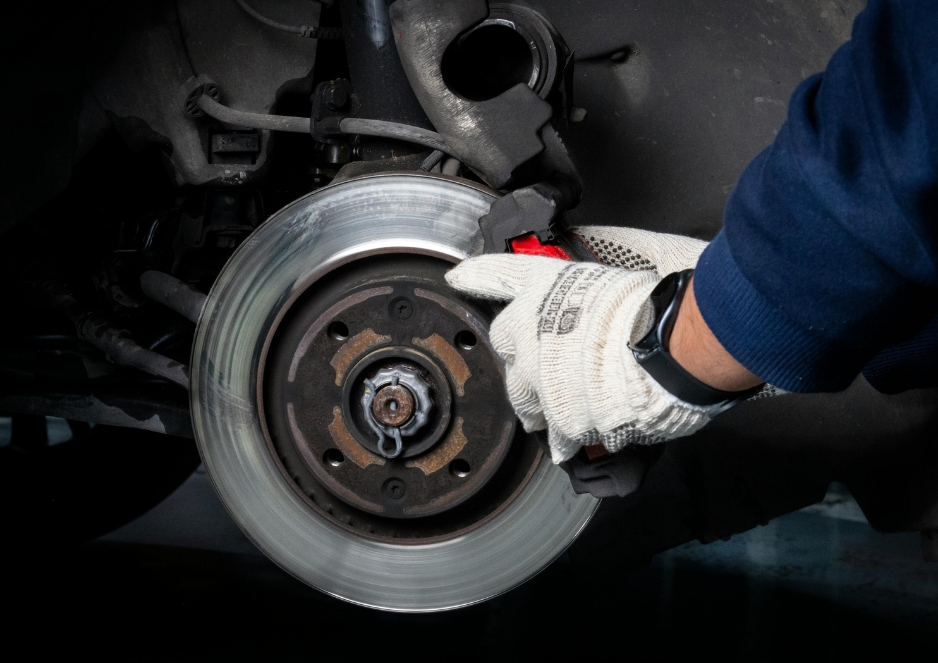
Predictive maintenance supports a wide range of Detroit industries, each of which depends on high-performance equipment to maintain production accuracy. Automotive manufacturing plants rely on predictive maintenance strategies to keep CNC machines, conveyors, robotic systems, and electric motors running. Aerospace machining centers use predictive maintenance to preserve precision in high-speed spindles and machining tools. Steel plants and power generation facilities depend heavily on predictive maintenance for blowers, turbines, cooling fans, and large rotating assemblies that must run continuously. Chemical processing facilities rely on predictive strategies to maintain safe operating temperatures and prevent mechanical overload. Food processing and high-speed packaging operations also use predictive maintenance to support uninterrupted production cycles. Across all sectors, predictive maintenance strengthens Detroit’s economy by reducing waste, improving production continuity, and extending equipment longevity.
Key Benefits of Implementing Predictive Maintenance in Detroit
Predictive maintenance brings tremendous benefits to Detroit manufacturers by increasing efficiency, reducing costs, and enhancing workplace safety. Equipment that remains properly aligned, balanced, and monitored produces higher-quality results, operates more quietly, and consumes less energy. Predictive maintenance directly improves output consistency by keeping machinery stable and preventing vibration- or mechanical-instability-induced variations. The long-term financial benefits are also substantial: fewer unexpected failures, lower repair costs, reduced downtime, and extended equipment lifespan. Predictive maintenance enables Detroit facilities to plan maintenance more strategically, ensuring technicians intervene at the optimal time while avoiding unnecessary labor costs. This cost-effective approach makes predictive maintenance a cornerstone of modern industrial management across Detroit’s manufacturing sector.
Supporting Industrial Services Offered by Dynamic Balancing Technologies
Predictive maintenance becomes even more effective when supported by additional industrial services that optimize machinery performance. Electric motor testing evaluates load patterns, temperature behavior, and electrical performance to ensure motors remain within operational thresholds. Fan and blower balancing reduces vibration, improves airflow consistency, and prevents premature bearing wear in ventilation systems. High-speed spindle rebuild services restore precision and accuracy to machining tools that must meet strict performance requirements. Preventive maintenance add-ons complement predictive programs by handling lubrication, cleaning, component inspection, and other routine tasks that maintain equipment stability. These supporting services enhance the overall reliability and longevity of Detroit’s industrial machinery.
Why Detroit Manufacturers Choose Dynamic Balancing Technologies
Dynamic Balancing Technologies has earned the trust of Detroit’s manufacturing community through decades of experience, precise diagnostics, and fast response times. With more than 33 years of combined expertise in industrial equipment reliability, we understand the demands placed on rotating machinery throughout Detroit’s industrial sector. Our advanced vibration analysis tools, ISO-level dynamic balancing equipment, and high-accuracy laser alignment systems give Detroit companies confidence that their machines are being evaluated with the highest standards. We customize every predictive maintenance plan to match equipment type, load requirements, production cycles, and facility goals. This tailored approach ensures that Detroit manufacturers receive the most effective maintenance strategies for their specific industrial needs.
Service Areas for Predictive Maintenance in Detroit
We proudly support Detroit and all surrounding Southeast Michigan locations, including Sterling Heights, Warren, Broadview, Dearborn, Troy, Ann Arbor, Auburn Hills, and other major industrial corridors. Our team responds quickly to provide on-site diagnostics, vibration analysis, balancing, alignment, and machine health assessments. Detroit remains one of the most advanced manufacturing regions in America, and our predictive maintenance programs help local industries remain efficient, competitive, and prepared for future growth.
How Detroit Facilities Can Get Started with Predictive Maintenance
Detroit facilities can begin implementing predictive maintenance by scheduling an initial baseline evaluation of their rotating equipment. During this assessment, we measure vibration frequencies, alignment accuracy, temperature trends, and operational loads to establish a clear picture of machinery health. From there, we design a predictive maintenance plan that integrates ongoing monitoring, periodic inspections, and detailed reporting. This approach ensures Detroit manufacturers remain informed, protected, and prepared for long-term operational success. By taking the first step, companies secure the stability and longevity of their most valuable industrial assets.
Frequently Asked Questions About Predictive Maintenance in Detroit
What makes predictive maintenance more effective than traditional approaches?
Predictive maintenance is more effective because it uses real-time data to identify issues before failure occurs. Detroit companies benefit from fewer breakdowns, lower repair costs, and more accurate maintenance timing compared to preventive and reactive strategies.
How does vibration analysis support predictive maintenance?
Vibration analysis detects imbalance, misalignment, bearing wear, and internal stress by measuring frequency changes during machine operation. This helps Detroit manufacturers identify early-stage issues long before they become serious problems.
Which industries in Detroit rely most heavily on predictive maintenance?
Automotive manufacturing, aerospace machining, steel plants, power generation facilities, chemical processing plants, and food production operations depend on predictive maintenance to ensure consistent performance and reduce downtime.
Can predictive maintenance extend the lifespan of industrial equipment?
Yes. Predictive maintenance extends lifespan by eliminating harmful operating conditions, preventing overheating, reducing vibration, and correcting alignment issues before they cause long-term damage.
How can Detroit businesses begin implementing predictive maintenance services?
Detroit companies can start by scheduling an initial equipment health assessment that includes vibration readings, alignment checks, and load analysis. This baseline data allows us to design a customized predictive maintenance plan tailored to the facility’s needs.
Maintaining Detroit’s Industrial Strength Through Smarter Maintenance
As Detroit continues to lead the nation in advanced manufacturing, predictive maintenance will play an increasingly important role in keeping equipment healthy and operations consistent. We are committed to helping companies maintain safe, efficient, and reliable machinery through advanced diagnostic solutions and long-term predictive strategies. For Detroit facilities seeking greater control over equipment performance, we encourage you to contact our team. We are ready to support your production goals with trusted, data-driven maintenance programs.


