Understanding the difference between static and dynamic balancing is essential for keeping your machinery running at peak performance. Both methods correct imbalance, but they suit different components and operating conditions, and choosing the right one directly affects accuracy, reliability, and equipment life. At Dynamic Balancing Technologies, we apply the method best matched to your equipment, using advanced vibration analysis to deliver smooth, dependable operation. Whether you’re maintaining a simple rotating part or a high-speed precision spindle, knowing how these two approaches differ helps you make informed decisions that protect your machinery and your productivity.
Understanding Static and Dynamic Balancing
Static and dynamic balancing are two distinct methods used to correct imbalance in rotating components, each addressing the problem in a different way. Static balancing balances stationary objects, while dynamic balancing balances rotating objects to minimize vibrations and prevent equipment failure. Both aim to eliminate the uneven mass distribution that causes vibration, but they differ in how and when that correction is applied to your machinery.
Choosing between them depends on your component’s design, operating speed, and performance requirements. We use precise vibration analysis to determine which method your equipment truly needs, ensuring the correction is both effective and appropriate. Understanding these two approaches is the first step toward keeping your rotating machinery accurate, reliable, and performing exactly as it was designed to.
What Is Static Balancing?
Static balancing is the method used to balance stationary objects, correcting imbalance that exists when a component is at rest. It addresses imbalance concentrated in a single plane, where the heavy spot causes the part to settle unevenly. By identifying and correcting this single-plane imbalance, static balancing ensures the component’s mass is evenly distributed around its center, creating a stable foundation for smoother operation.
This static balancing method works well for components where imbalance is simple and confined to one plane. It is often suitable for thinner rotating parts that don’t require correction across multiple planes. By resolving single-plane imbalance effectively, static balancing improves stability and reduces the vibration that would otherwise compromise machining precision and accelerate wear on your equipment.
What Is Dynamic Balancing?
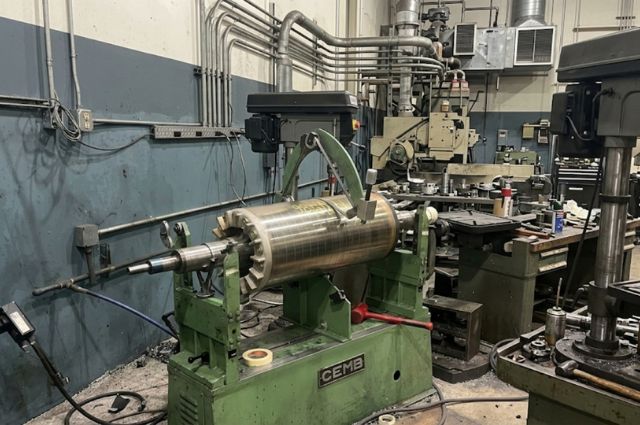
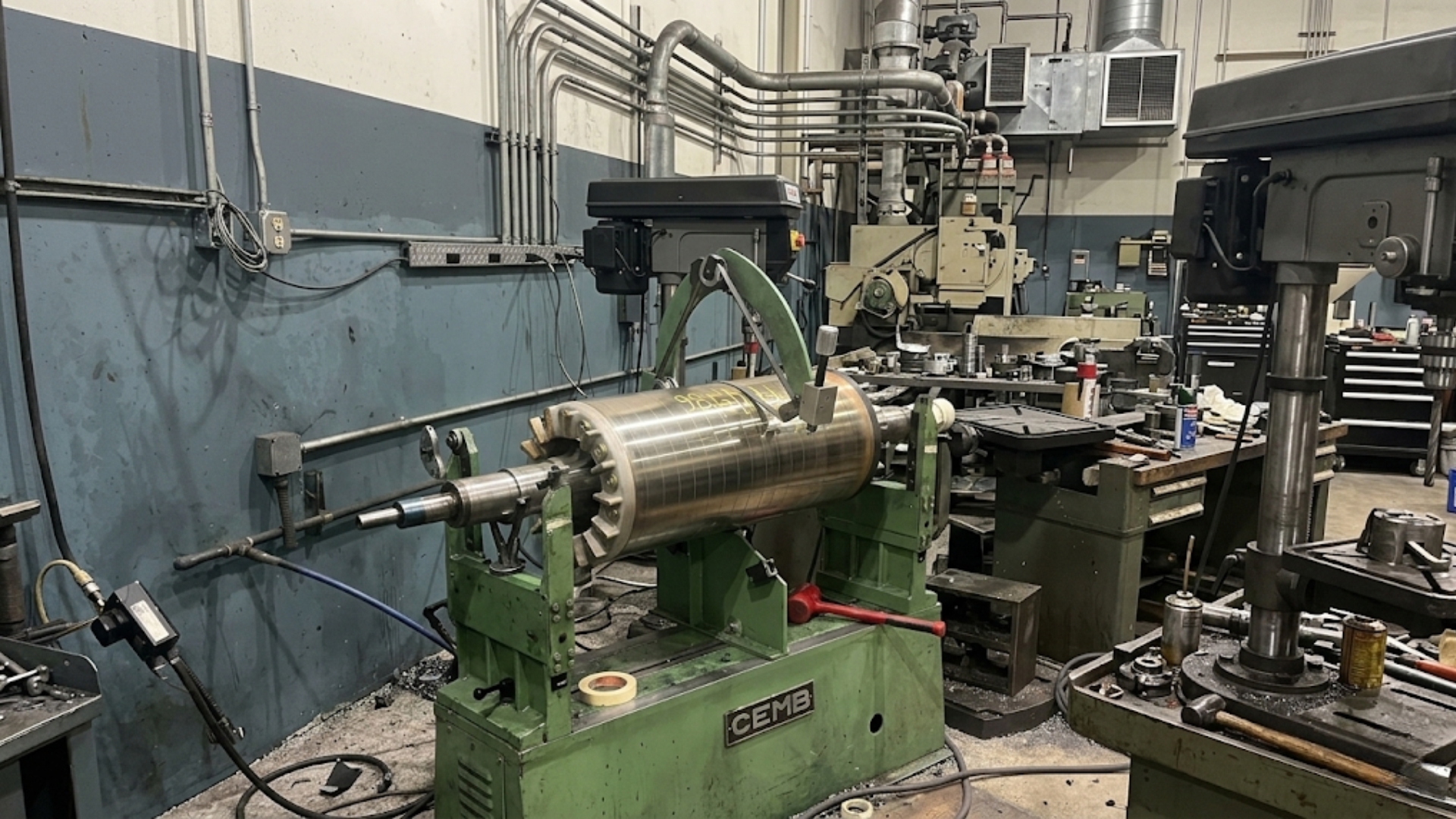
Dynamic balancing balances rotating objects to minimize vibrations and prevent equipment failure, correcting imbalance while the component is actually in motion. Unlike static balancing, it addresses imbalance distributed across more than one plane, which is common in components with mass spread along their length. By correcting the part as it rotates, dynamic balancing captures and resolves issues that only appear under real rotational conditions.
Our dynamic balancing service is essential for components operating at high speeds, where even microscopic imbalances generate powerful forces. We balance rotating assemblies at their actual operating speeds, ensuring performance improvements are fully realized under real-world conditions. By minimizing vibration at the source, dynamic balancing restores rotational accuracy, reduces wear, and protects your equipment from failures caused by unaddressed imbalance.
Key Differences Between Static and Dynamic Balancing
The two methods differ in correction approach, the conditions under which they’re performed, and the equipment they suit best. Understanding these distinctions helps you recognize why we apply one method over the other for a given component and application.
Single-Plane vs. Dual-Plane Correction
Static balancing corrects imbalance in a single plane, addressing one heavy spot in a stationary component. Dynamic balancing handles imbalance distributed across two planes, correcting more complex mass distribution. This is a core difference, as many rotating components cannot be properly balanced through single-plane correction alone.
Stationary vs. Operating-Speed Balancing
Static balancing is performed while the component is stationary, identifying imbalance at rest. Dynamic balancing, by contrast, corrects the component at its actual operating speed. This allows dynamic balancing to capture the real forces that emerge during rotation, which a stationary method simply cannot detect.
Application and Equipment Suitability
Static balancing suits simpler, thinner components with single-plane imbalance, while dynamic balancing fits high-speed spindles, rotors, and tool holders with distributed mass. At speeds of 20,000 RPM and beyond, dynamic balancing becomes essential, as centrifugal forces make precise, operating-speed correction critical for performance.
When to Choose Static Balancing
Static balancing is the right choice when a component’s imbalance is simple and confined to a single plane. Thinner rotating parts that operate at lower speeds often fall into this category, where correcting one heavy spot is enough to achieve smooth, stable operation. In these cases, static balancing provides an effective, appropriate solution without the added complexity that multi-plane correction would require.
Choosing static balancing for the right component ensures efficient, accurate results. When imbalance does not vary significantly along the part’s length, single-plane correction restores the even mass distribution needed for stable performance. We assess each component carefully through vibration analysis, applying static balancing where it genuinely fits, so your equipment receives precisely the level of correction it needs to perform reliably.
When Dynamic Balancing Is the Better Choice
Dynamic balancing becomes the better choice whenever components operate at high speeds or carry mass distributed across multiple planes. High-speed spindles, rotors, and tool holders generate forces that only reveal themselves during rotation, making operating-speed correction essential. For equipment running at 20,000 RPM and beyond, high speed dynamic balancing is critical, since even tiny imbalances create powerful centrifugal forces capable of serious damage.
This method is also the right choice for precision applications where accuracy and reliability are non-negotiable. By correcting imbalance as the component actually rotates, dynamic balancing eliminates the vibration that drives bearing wear and shortens equipment longevity. We rely on detailed vibration analysis to confirm when dynamic balancing is needed, ensuring your high-speed machinery performs smoothly, accurately, and safely under real conditions.
How Both Methods Enhance Machinery Performance
Whether static or dynamic, proper balancing delivers powerful benefits for your machinery’s performance. Both methods eliminate the vibration that degrades accuracy, allowing your equipment to hold tighter tolerances and produce consistent, high-quality output. By correcting imbalance at its source, balancing creates the smooth, stable operation that precision-driven work depends on, regardless of which method your component requires.
The advantages extend well beyond accuracy. By reducing vibration, both methods relieve the stress that accelerates bearing wear, helping to extend equipment life and reduce maintenance costs over time. Balanced machinery experiences fewer breakdowns and less unplanned downtime, while supporting stronger predictive maintenance programs. Together, these benefits help prevent catastrophic failure and keep your operation running efficiently and reliably.
Our Static and Dynamic Balancing Capabilities
Dynamic Balancing Technologies brings advanced equipment and proven expertise to both static and dynamic balancing, handling components up to 250 pounds at actual operating speeds. As both a machine shop and machinery repair service serving Detroit and the wider Southeast Michigan region, we correct single-plane and dual-plane imbalances with precision.
FFT Vibration Analysis and NIST-Traceable Equipment
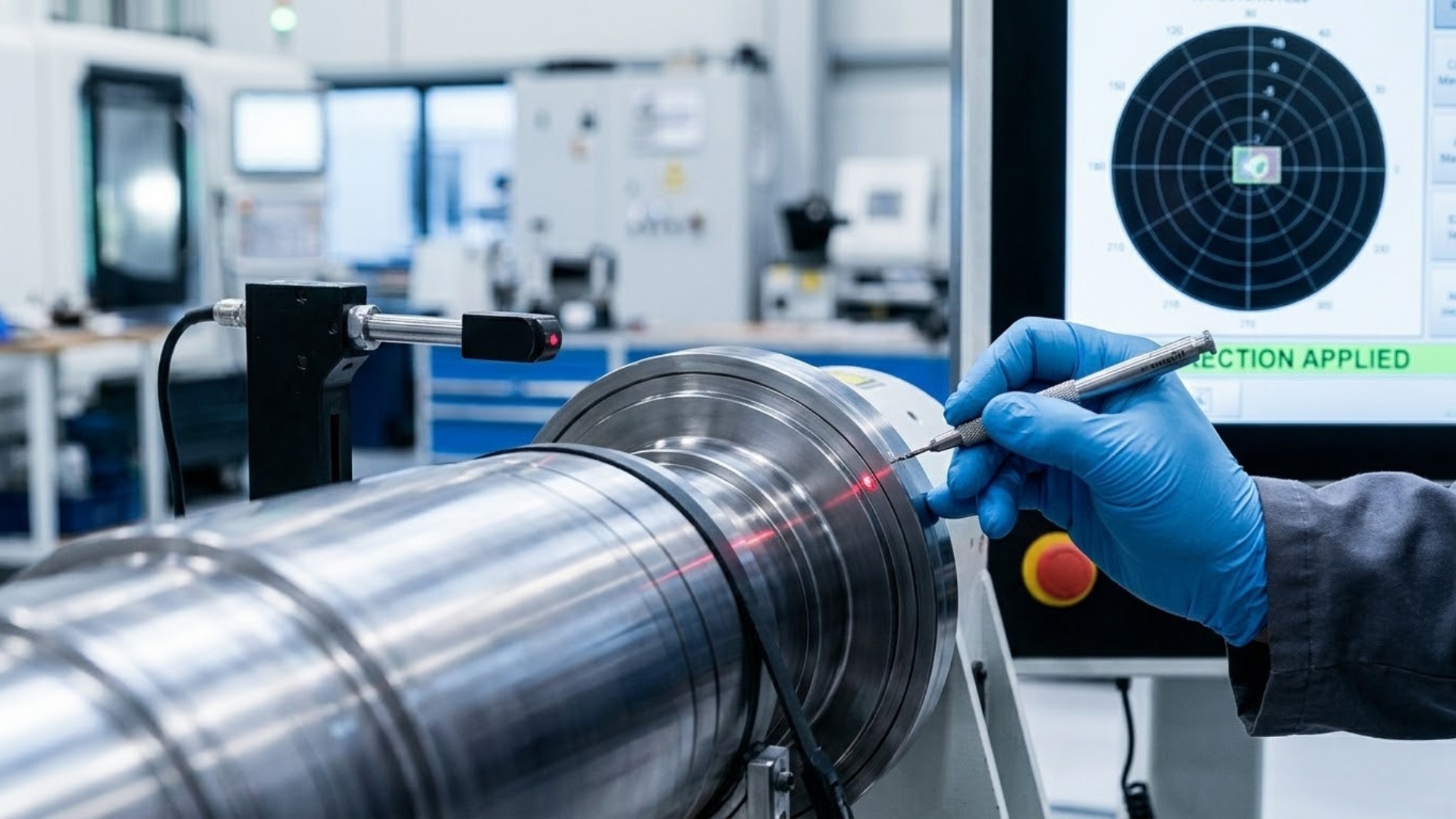
Our balancing is backed by FFT vibration analysis and NIST-traceable equipment, guaranteeing accurate and repeatable results. By measuring vibration across the full frequency spectrum, we pinpoint the exact source of imbalance, ensuring every correction, whether static or dynamic, produces genuine, measurable improvements in your equipment’s performance.
Balancing to ISO 1940 Standards with Certified Documentation
We balance to ISO G 2.5 and G 1.0 standards under the ISO 1940 framework, matching the grade to your application. Every job is verified with before-and-after vibration plots and concludes with a detailed balance report and ISO-grade balance certificate, giving you documented proof of certified results.
Frequently Asked Questions About Static and Dynamic Balancing
What is the main difference between static and dynamic balancing?
Static balancing balances stationary objects by correcting single-plane imbalance, while dynamic balancing balances rotating objects at operating speed to correct multi-plane imbalance. Dynamic balancing captures forces that only appear during rotation, making it suitable for more complex, high-speed components.
Which balancing method is better for high speed equipment?
Dynamic balancing is better for high-speed equipment. At 20,000 RPM and beyond, small imbalances create powerful centrifugal forces, so correcting components at their actual operating speed is essential for accuracy, performance, and safety, which static balancing alone cannot achieve.
Can dynamic balancing correct issues static balancing cannot?
Yes. Dynamic balancing corrects imbalance distributed across multiple planes and captures forces that emerge only during rotation. Static balancing addresses single-plane imbalance in stationary parts, so dynamic balancing resolves more complex issues that static methods are unable to detect or fix.
How do I know which balancing method my equipment needs?
We determine the right method through careful vibration analysis of your component’s design, operating speed, and imbalance type. Simpler single-plane parts may suit static balancing, while high-speed or multi-plane components require dynamic balancing. We assess each piece individually for the best result.
Do you perform both static and dynamic balancing onsite?
Yes, our mobile capability allows us to perform balancing directly at your facility, often without full disassembly. We bring the same precision equipment and certified standards onsite, minimizing downtime while delivering accurate results for your rotating machinery.
Enhance Your Machinery Performance With Expert Balancing Today
Whether your equipment needs static or dynamic balancing, our combination of over 30 years of experience, ISO-compliant processes, and NIST-traceable tools delivers dependable results every time. Contact Dynamic Balancing Technologies today to request a quote, schedule emergency onsite service, or upload your spindle specs for a custom evaluation. Our team is available 24/7 as your one-stop rotating-equipment partner. Let’s get your equipment balanced, certified, and back to full precision—fast.